Supplement · Muscle & Brain
Creatine Monohydrate
Personal recommendation by Marshall Delpé. Not made by Marshalldelpe.com.
Creatine Monohydrate
Supplement · Muscle & Brain·
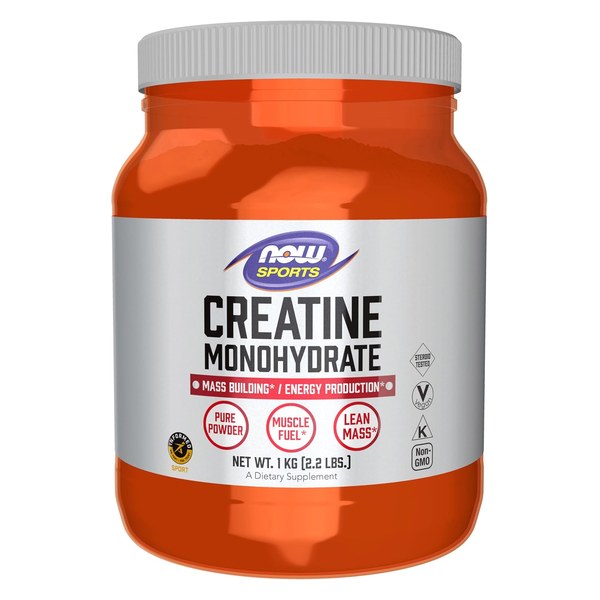
The most studied supplement on earth, for your muscles and your brain.
What it does: Creatine is a compound your body already makes and stores in muscle and brain tissue, where it recycles ATP — the fuel cells burn during short, intense effort and heavy thinking. Supplementing 3–5 g a day tops up those stores. It is one of the most researched supplements in the world: for muscle, it reliably improves strength, power and lean-mass gains when paired with resistance training, and speeds recovery between sets. For the brain, a growing body of studies shows benefits for short-term memory and mental performance, especially under sleep deprivation, in older adults, and in people who eat little or no meat.
Who it's for: Anyone who lifts, plays sports or wants to hold on to muscle as they age — and anyone interested in an inexpensive, well-studied way to support brain energy. Vegetarians and vegans tend to see the biggest effect because they get almost none from food.
Why I use it: It's the rare supplement with decades of solid evidence, a low price and almost no downside. I take 5–25 g of plain monohydrate every day mixed into water or coffee — no loading phase, no cycling. It helps me train harder and recover faster, and I like that it supports the brain as well as the body. I buy NOW Sports Creatine Monohydrate: one ingredient, lab-tested, inexpensive, and from the same company I get most of my supplements from, which keeps things simple.
Tradeoffs: Expect 1–2 lb of water weight in the first few weeks as muscles store more water. A few people get mild stomach upset at higher doses. It works slowly — benefits build over 3–4 weeks of daily use. Brain research is promising but younger than the muscle research. This isn't medical advice: if you have kidney disease or take medication, check with your doctor first.
Alternatives: Klean Athlete Creatine, Momentous Creatine, or any creatine monohydrate made with Creapure®. Skip pricier "advanced" forms (HCl, buffered, ethyl ester) — none have beaten plain monohydrate in research.
As an Amazon Associate I earn from qualifying purchases, at no extra cost to you. I only recommend what I actually use.
More like this
You might also find helpful
4Monster Quick-Dry Microfiber Towel
Travel Gear · 4Monster·
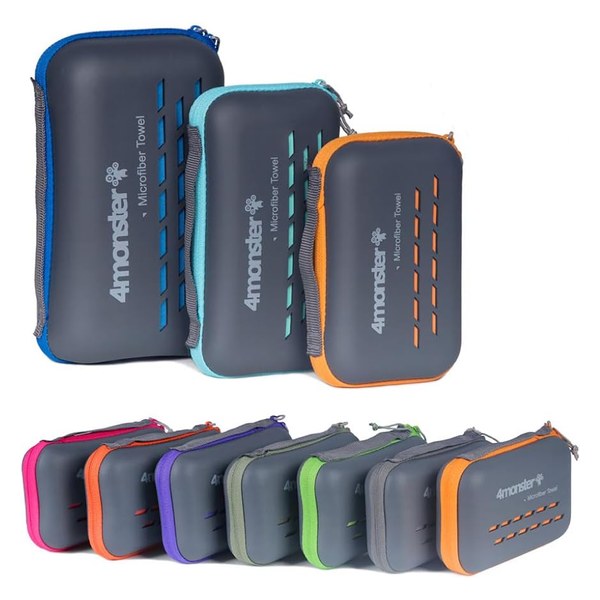
Dries you off, then dries itself off before you finish packing.
What it does: A lightweight microfiber towel that 4Monster says dries five times faster than cotton. It folds into its own compact zippered EVA case with a carabiner for clipping to a bag, and comes in several sizes and colours, from small gym towels up to large beach and bath sizes (the linked one is 40 × 20 inches). Made with plant-based dyes and reinforced stitching, with a 12-month warranty.
Who it's for: One bag travelers, backpackers, campers, swimmers and gym-goers — anyone who needs a towel that takes up little space and dries before the next use.
Why I use it: A regular cotton towel is one of the bulkiest, slowest-drying things you can pack. This folds into a case smaller than a book, dries quickly in a hotel room or hanging off my backpack, and clips on so it never gets lost. It is a small upgrade that makes one bag travel, beach days and the gym simpler.
Tradeoffs: Microfiber has a thin, slightly grippy feel that is not as plush or cosy as a thick cotton towel, and it tends to pull water off your skin by dabbing rather than rubbing. It can pick up lint and hair, and fabric softener reduces how well it absorbs. Pick the size carefully: smaller ones are great for the gym but too small to use as a bath towel.
Alternatives: The Sea to Summit DryLite Towel and PackTowl Personal for premium options, and a Turkish cotton (peshtemal) towel for a more natural feel that still packs flat.
As an Amazon Associate I earn from qualifying purchases, at no extra cost to you. I only recommend what I actually use.
AquaSonic Black Series PRO Electric Toothbrush
Oral Care · AquaSonic·
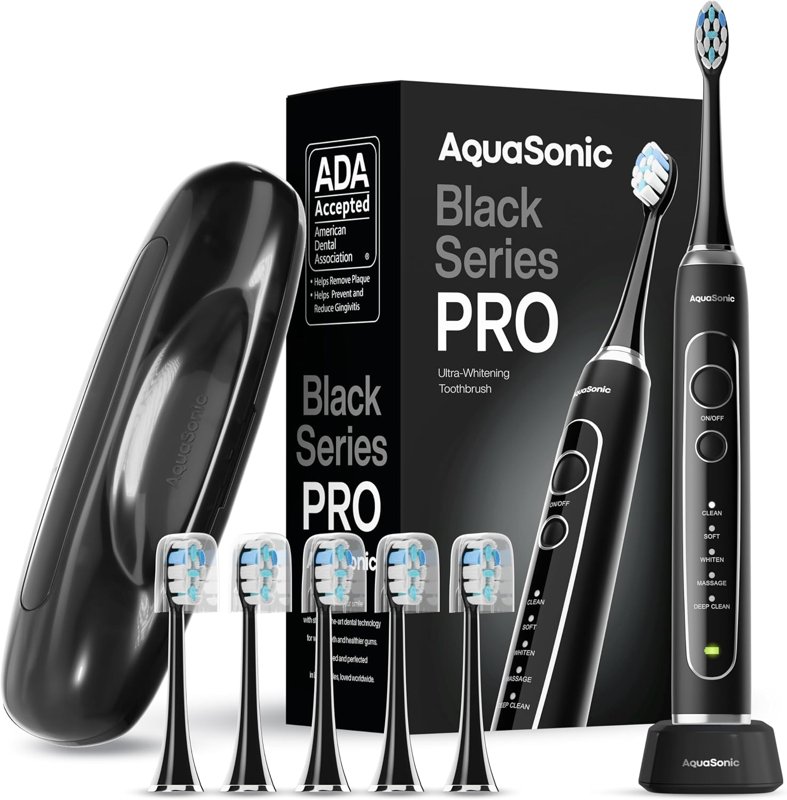
Two minutes a day now beats a root canal later.
What it does: An ADA Accepted sonic toothbrush with a 50,000-vibrations-per-minute motor, five brushing modes (Clean, Soft, Whiten, Massage and Deep Clean) and smart timers that pace your two minutes. It charges wirelessly, runs up to 30 days on a charge, is waterproof to IPX7 and comes with six ProFlex brush heads (about 18 months of brushing) and a hard travel case.
Who it's for: Anyone still using a manual toothbrush, or anyone who wants the cleaning power of a premium electric brush without the premium price. It is especially handy for travelers, since one charge outlasts most trips and the case keeps the head clean in a bag.
Why I use it: Your mouth is part of your health. Gum disease is linked to problems far beyond the teeth, and dental work is one of the most expensive repairs a body can need. As a nurse, I think of brushing as cheap, daily maintenance on an asset you only get one of. This brush does the work for me: the timer keeps me honest about the full two minutes, the battery lasts weeks, and six heads in the box means I am not buying replacements for a year and a half. It fits my one-bag travel too.
Tradeoffs: It vibrates more strongly than some people expect, so start on the Soft mode for the first week. The heads are proprietary, so you will eventually buy AquaSonic replacements. It has no app or pressure sensor, and the satin handle shows water spots.
Alternatives: Philips Sonicare (the long-time standard, with pressure sensors on higher models, at a higher price), Oral-B iO for a rotating round head, or the cheaper AquaSonic Black Series (non-PRO) if you just want the basics.
As an Amazon Associate I earn from qualifying purchases, at no extra cost to you. I only recommend what I actually use.