System · Nutrition
Ketogenic Diets
Personal recommendation by Marshall Delpé. Not made by Marshalldelpe.com.
Ketogenic Diets
System · Nutrition·
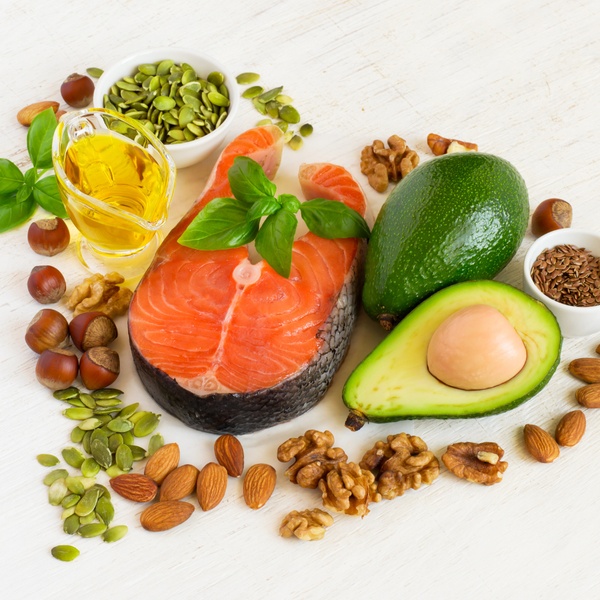
Fewer carbs, steadier energy, and no more 3 p.m. vending machine negotiations.
What it does: A very low-carbohydrate, high-fat, moderate-protein way of eating that shifts the body from burning glucose to burning fat and producing ketones for fuel. Meals are built around meat, fish, eggs, non-starchy vegetables, avocado, olive oil, nuts and full-fat dairy, while sugar, grains and most starches are removed.
Who it's for: People who want steadier energy and appetite control, those working on weight loss or blood-sugar regulation, and anyone who does well with clear, simple food rules. Anyone on medication for diabetes or blood pressure, or who is pregnant, should talk to their doctor first.
Why I use it: Keto is less a diet for me than a decision-reduction system. The rules are simple, cravings fade after the first couple of weeks, and my energy stays even through long shifts instead of crashing after carb-heavy meals. It pairs naturally with daily rowing, creatine and fish oil as part of how I protect the "Be Healthy" half of my motto.
Tradeoffs: The first week or two can bring the "keto flu" — fatigue, headaches and cravings — until you adapt and get enough electrolytes. Social meals and travel are harder. Long-term adherence is difficult for many people, and it is easy to do it badly with processed "keto" junk food.
Alternatives: A lower-carb Mediterranean diet (more flexible, strong research base), carnivore (stricter), time-restricted eating or intermittent fasting, and simply cutting sugar and refined carbs without going fully ketogenic.
This is a personal recommendation, not a paid promotion.
More like this
You might also find helpful
Amazon Affiliate Program (Amazon Associates)
Income System · Affiliate Marketing·

Get paid a little for recommending things you would recommend anyway.
What it does: Amazon's free affiliate program for websites, blogs, newsletters and social accounts. You get a personal tracking tag, add it to Amazon links you share, and earn a commission (roughly 1–10% depending on the product category) on qualifying purchases made within 24 hours of someone clicking your link — even on items you didn't link to.
Who it's for: Writers, creators and anyone who already recommends books and products online and wants those recommendations to pay a little back. You need a site or account with real content, and three qualifying sales within 180 days to stay approved.
Why I use it: It turns recommendations I would make anyway into a small, automated income stream — an asset that keeps working after the writing is done. Every Amazon link on this site carries my tag, so when a reader buys a book or product I use, Amazon pays a commission at no extra cost to them. It is one small way of living the motto: Own More Assets.
Tradeoffs: Commission rates are low and Amazon can change them at any time. Your own purchases never count, cookies only last 24 hours, links must carry a clear disclosure, and the rules are strict — breaking them can close your account and forfeit unpaid earnings. Real income needs real traffic.
Alternatives: Brand-specific affiliate programs (often higher rates), networks like ShareASale, Impact, Awin or Rakuten, or selling your own products and services.
This is a personal recommendation, not a paid promotion.
Automation
System · Money & Time·

Let robots handle the boring errands so future you stops nagging present you.
What it does: Moves recurring decisions out of your head and into rules that run on their own: automatic transfers to investment and savings accounts on payday, autopay for every bill, recurring supplement and household orders, calendar templates, and AI tools that handle repetitive digital work.
Who it's for: Busy people — shift workers, parents, professionals — who want good habits to happen by default rather than relying on willpower and memory.
Why I use it: Willpower is unreliable; systems are not. My investing happens before I can see or spend the money, my bills never go late, and the essentials restock themselves. Every decision I automate frees attention for the decisions that actually need me. It is minimalism applied to effort, and it lets compounding run without my interference.
Tradeoffs: Automated systems can run blindly — subscriptions you forgot about, a transfer that overdraws an account, or an investment that should have been rebalanced. Review everything at least quarterly. Setting it up takes a few hours up front.
Alternatives: I Will Teach You to Be Rich by Ramit Sethi (the clearest money-automation playbook), the "pay yourself first" principle from The Richest Man in Babylon, and tools like Zapier or IFTTT for digital workflows.
This is a personal recommendation, not a paid promotion.