MarshallDelpe.com
Alpine lake beneath snow-capped mountain peaks

Made by others, used by me

All Other Recommendations

Everything that has earned a place in my realm that I didn't make myself, from A to Z.

Affiliate disclosure: Some links may be affiliate links. I only recommend things I actually use. If a product pays me a commission, I'll note it — but it never influences whether I include it.
Topic
Area
Showing 63 of 63
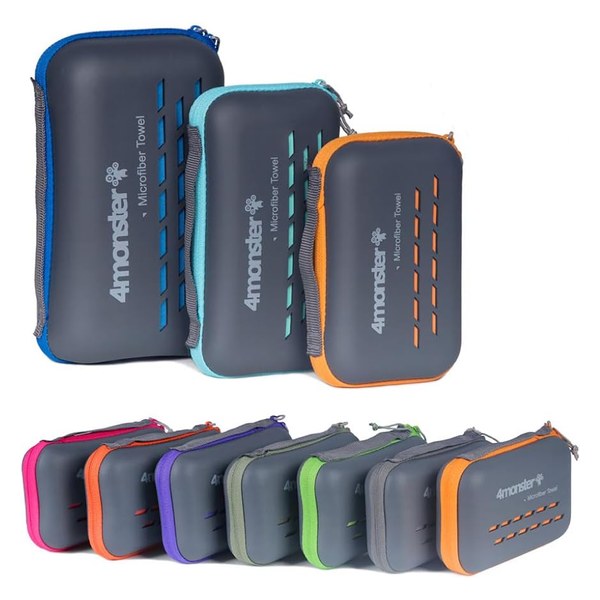
4Monster Quick-Dry Microfiber Towel — Travel Gear · 4Monster
4Monster Quick-Dry Microfiber Towel
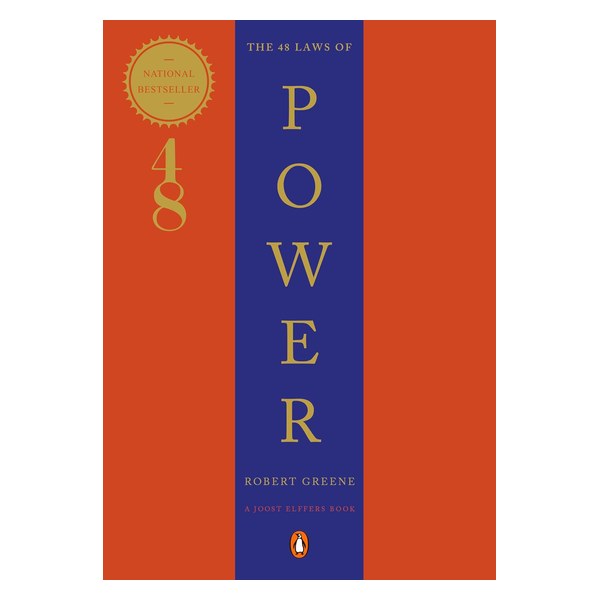
The 48 Laws of Power — Book · Robert Greene
The 48 Laws of Power
Abacus.AI — AI Assistant & Agent Platform
Abacus.AI
Amazon Affiliate Program (Amazon Associates) — Income System · Affiliate Marketing
Amazon Affiliate Program (Amazon Associates)
Amazon Prime — Membership · Shopping & Streaming
Amazon Prime
Apartments.com Rental Finder — Housing · Rental Search App
Apartments.com Rental Finder
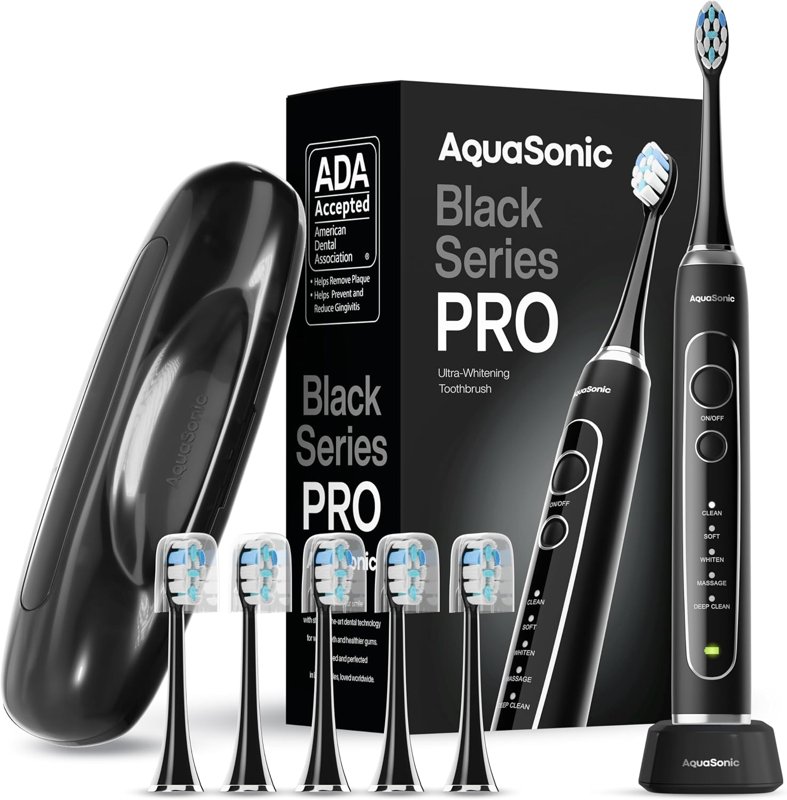
AquaSonic Black Series PRO Electric Toothbrush — Oral Care · AquaSonic
AquaSonic Black Series PRO Electric Toothbrush
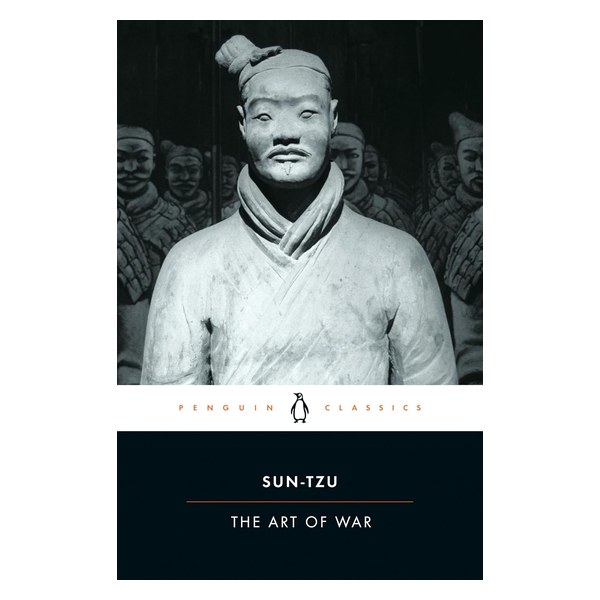
The Art of War — Book · Sun Tzu
The Art of War
Automation — System · Money & Time
Automation
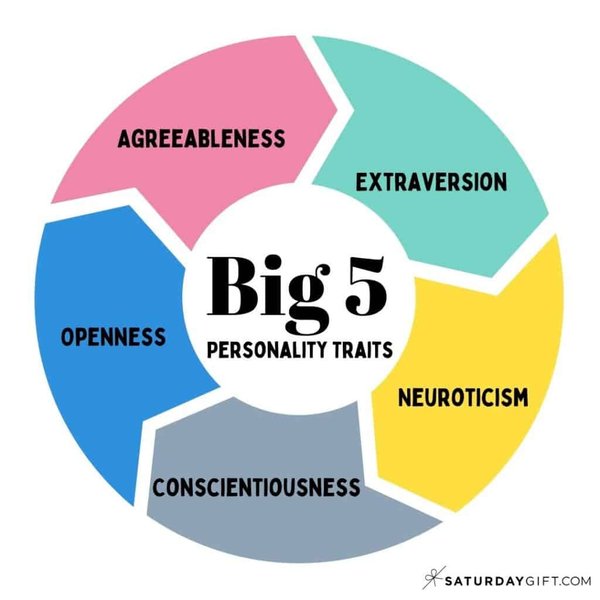
The Big Five (OCEAN) Model — Personality · Psychology
The Big Five (OCEAN) Model
CARFAX Used Car Listings — Car Buying · CARFAX
CARFAX Used Car Listings
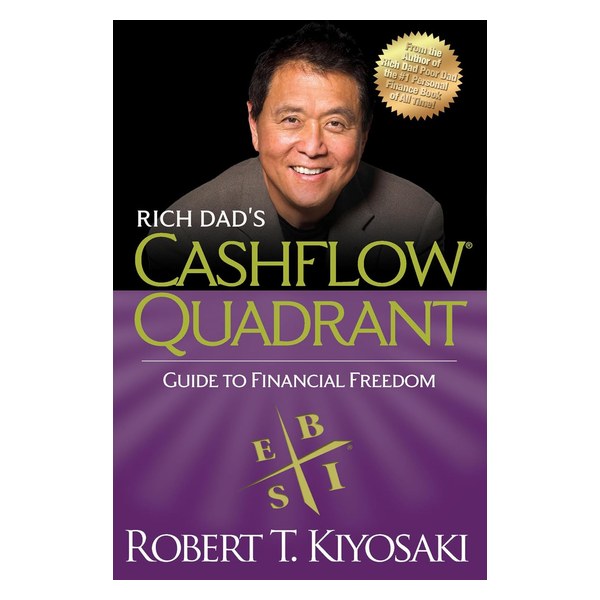
Cashflow Quadrant — Book · Robert Kiyosaki
Cashflow Quadrant
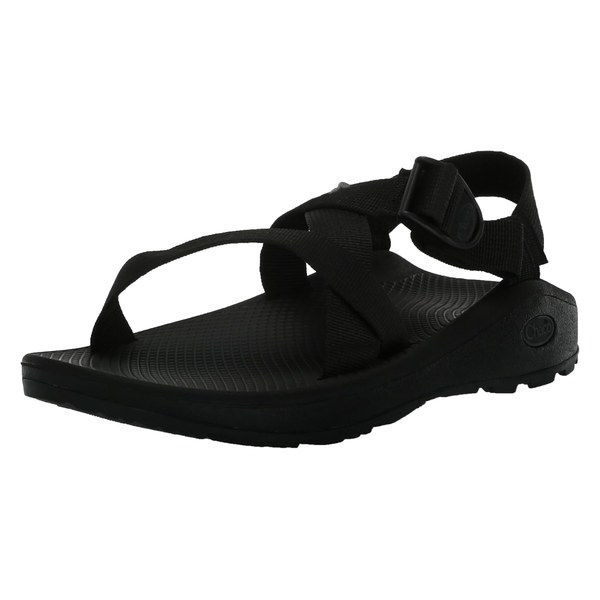
Chaco Z/Cloud Sandals — Footwear · Chaco
Chaco Z/Cloud Sandals
Circle of Competence — Mental Model · Warren Buffett & Charlie Munger
Circle of Competence
Classical Music & Cognition: The Mozart Effect Study — Research · Rauscher, Shaw & Ky (Nature, 1993)
Classical Music & Cognition: The Mozart Effect Study
Compounding — Mental Model · Mathematics
Compounding
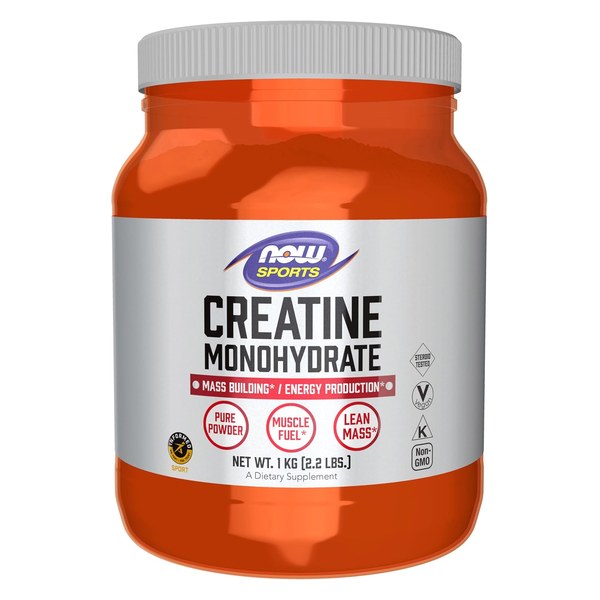
Creatine Monohydrate — Supplement · Muscle & Brain
Creatine Monohydrate
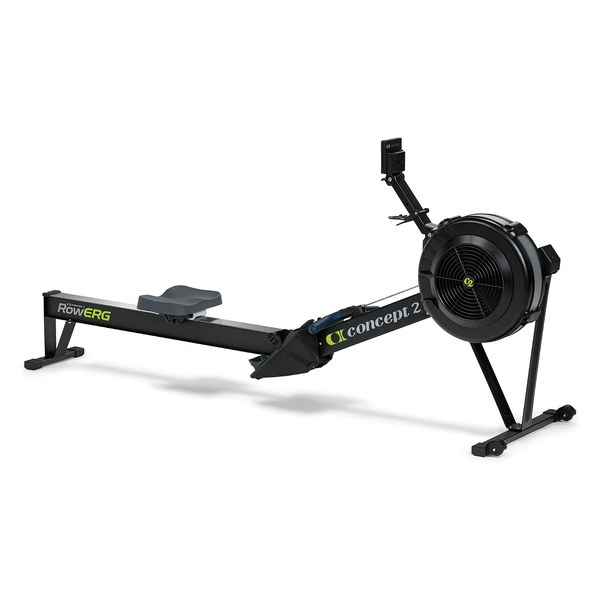
Daily Rowing — System · Exercise
Daily Rowing
DeleteMe — Privacy · Personal Data Removal
DeleteMe
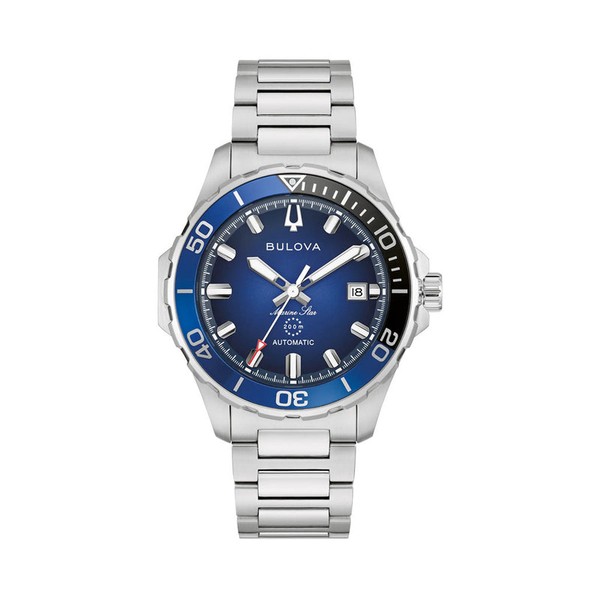
Dive Watches (my Blue Bulova Marine Star) — Watches · Bulova
Dive Watches (my Blue Bulova Marine Star)
Dr. Bronner's Soaps — Personal Care · Castile Soap
Dr. Bronner's Soaps
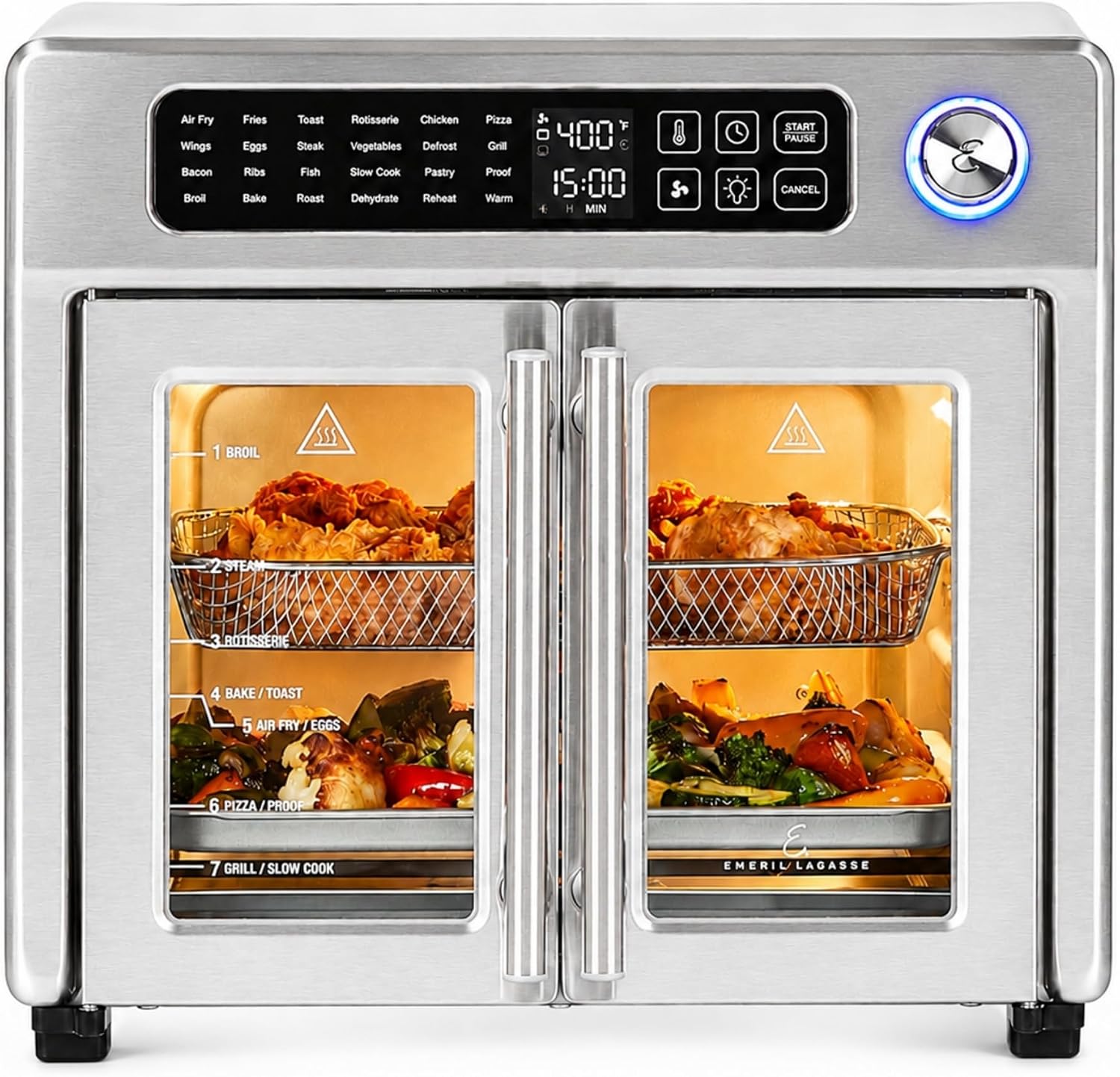
Emeril Lagasse 26 QT French Door Air Fryer Toaster Oven — Kitchen · Emeril Lagasse
Emeril Lagasse 26 QT French Door Air Fryer Toaster Oven
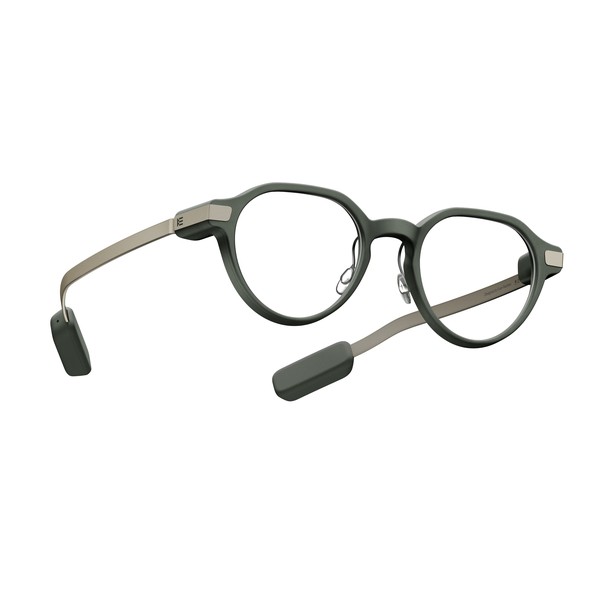
Even Realities G2 + R1 — Smart Glasses & Ring
Even Realities G2 + R1
Expedia Travel App — Travel Booking
Expedia Travel App
The F.I.R.E. Movement — System · Financial Independence
The F.I.R.E. Movement
F.U. Money — Book · Dan Lok
F.U. Money
Fidelity — Investing & Brokerage
Fidelity
Fish Oil — Supplement · Omega-3 (EPA & DHA)
Fish Oil
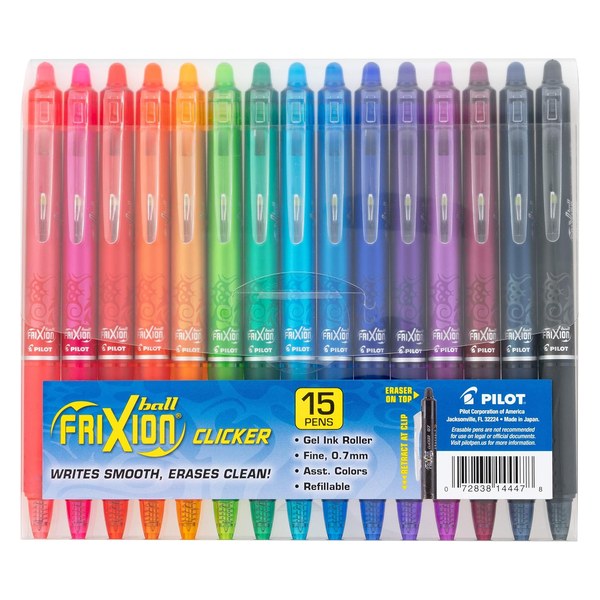
FriXion Erasable Pens — Stationery · Pilot
FriXion Erasable Pens
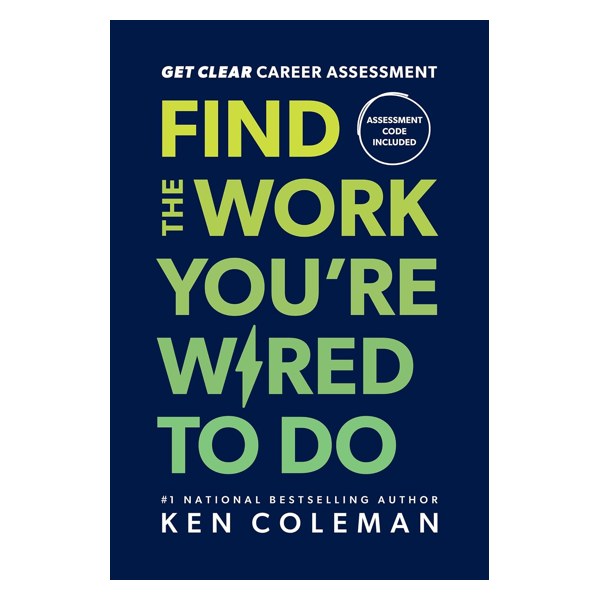
Get Clear Career Assessment: Find the Work You're Wired to Do — Book · Ken Coleman
Get Clear Career Assessment: Find the Work You're Wired to Do
HOKA Bondi SR (Slip-Resistant Leather Shoes) — Footwear · HOKA
HOKA Bondi SR (Slip-Resistant Leather Shoes)
Intermittent Fasting — System · Nutrition
Intermittent Fasting
Jojoba Oil — Supplement · Skin & Hair
Jojoba Oil
Ketogenic Diets — System · Nutrition
Ketogenic Diets
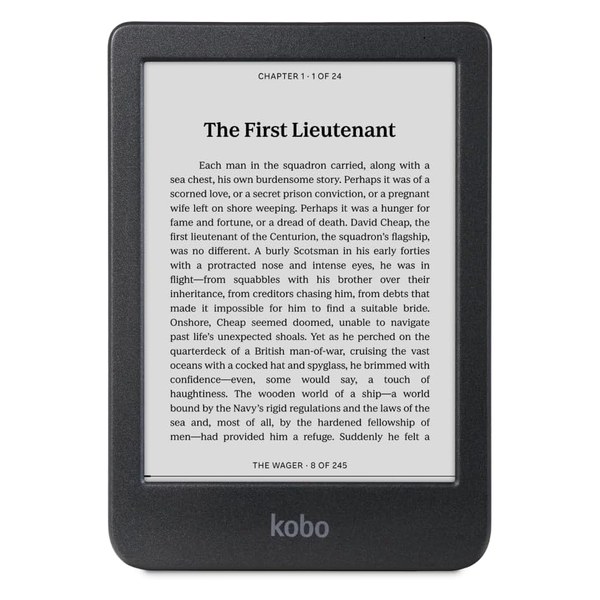
Kobo E-Readers — E-Reader · Rakuten Kobo
Kobo E-Readers
Language Transfer App — Language Learning · Mihalis Eleftheriou
Language Transfer App
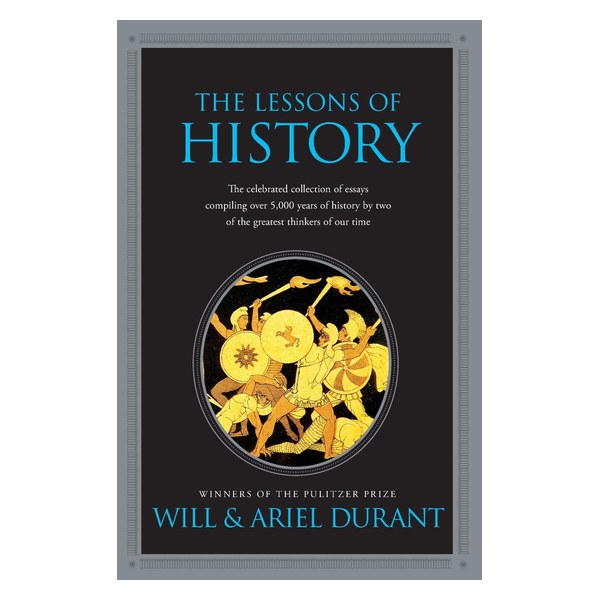
The Lessons of History — Book · Will & Ariel Durant
The Lessons of History
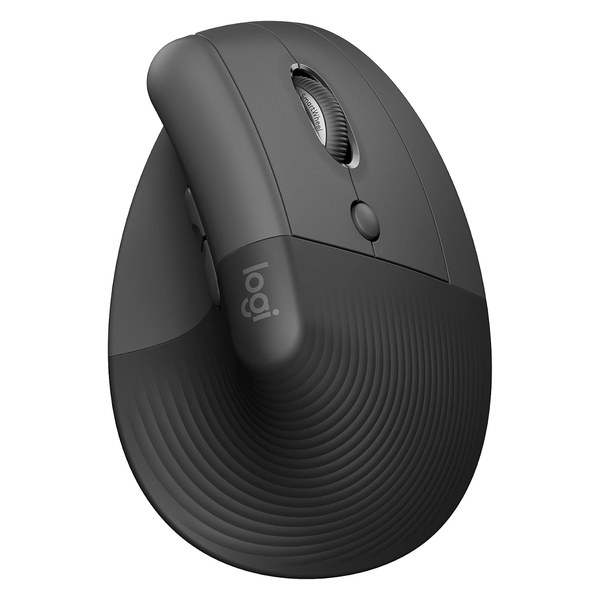
Logitech Lift Vertical Ergonomic Mouse — Ergonomics · Logitech
Logitech Lift Vertical Ergonomic Mouse
Margin of Safety — Mental Model · Benjamin Graham
Margin of Safety
MBTI & the 16Personalities Test — Personality · Self-Knowledge
MBTI & the 16Personalities Test
Merach Q1S Magnetic Rowing Machine — Fitness · Merach
Merach Q1S Magnetic Rowing Machine
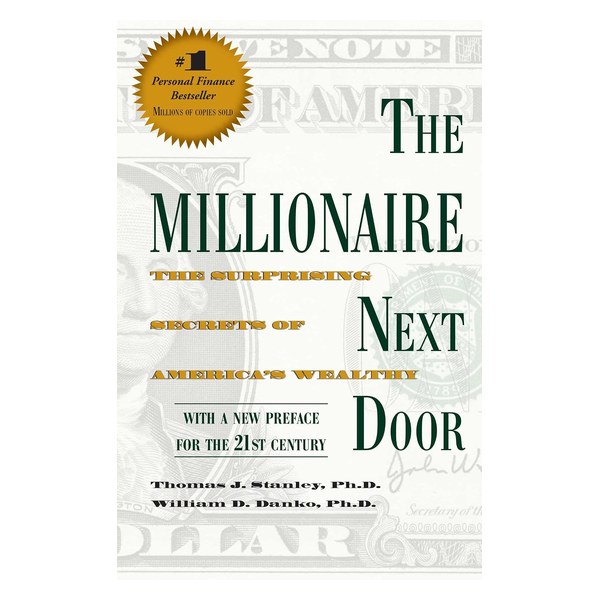
The Millionaire Next Door — Book · Thomas J. Stanley & William D. Danko
The Millionaire Next Door
Minimalism — Philosophy · Intentional Living
Minimalism
Modern States CLEP College Credits — Education · Free College Credit
Modern States CLEP College Credits
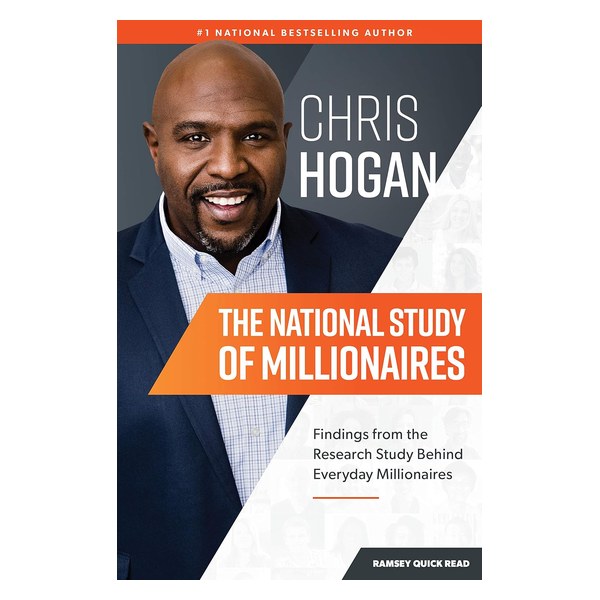
The National Study of Millionaires — Book · Chris Hogan
The National Study of Millionaires
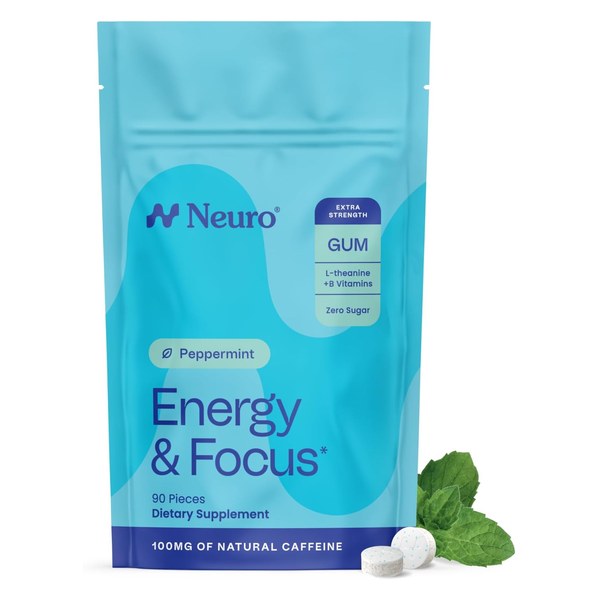
Neuro Energy & Focus Gum — Energy & Focus · Neuro
Neuro Energy & Focus Gum
One Bag Travel — System · Travel & Mobility
One Bag Travel
Opportunity Cost — Mental Model · Economics
Opportunity Cost
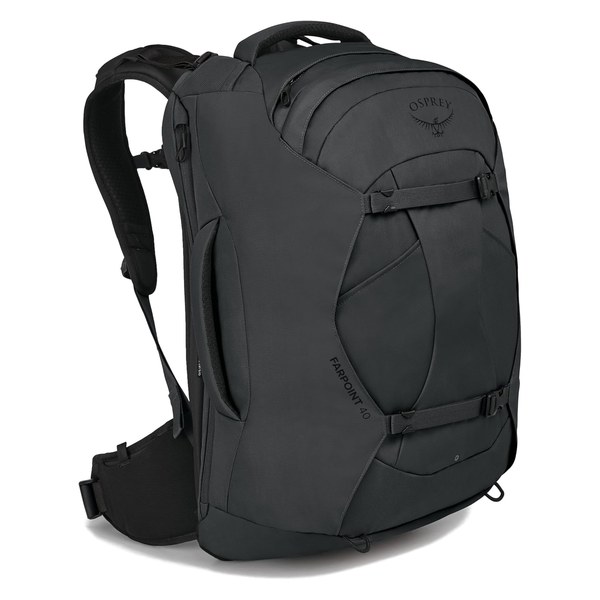
Osprey Backpacks — Gear · Travel & Carry
Osprey Backpacks
Outdoor Ventures Packable Puffer Jacket — Outerwear · Outdoor Ventures
Outdoor Ventures Packable Puffer Jacket
Poor Charlie's Almanack — Book · Charles T. Munger
Poor Charlie's Almanack
The Psychology of Money — Book · Morgan Housel
The Psychology of Money
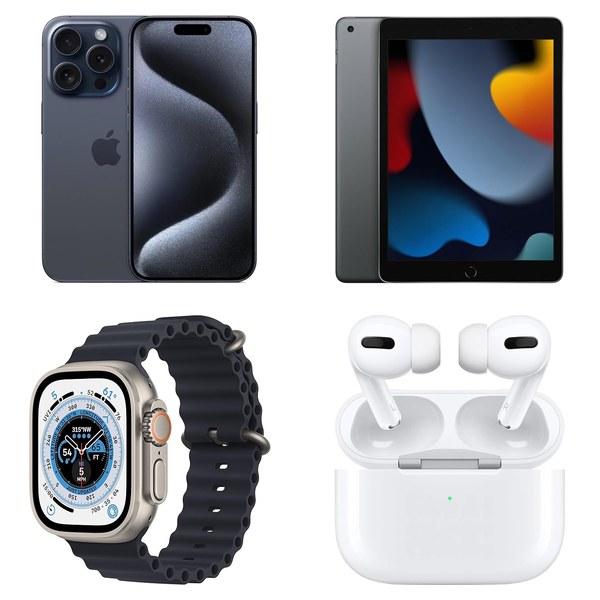
Refurbished Apple Products (Amazon Renewed) — Tech · Amazon Renewed
Refurbished Apple Products (Amazon Renewed)
Sapiens — Book · Yuval Noah Harari
Sapiens
SMH — VanEck Semiconductor ETF — Investment · Sector ETF
SMH — VanEck Semiconductor ETF
Spotminders Wallet Tracker Card PRO — Travel Tech · Spotminders
Spotminders Wallet Tracker Card PRO
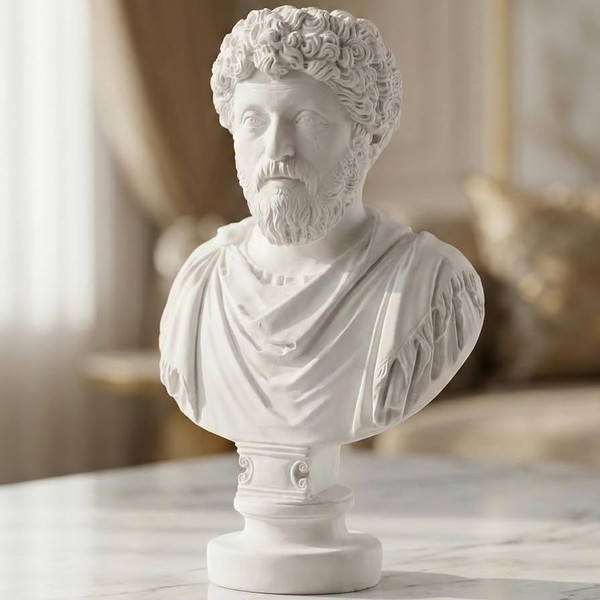
Stoicism — Philosophy · Mental Models
Stoicism
Subconscious Programming — System · Mindset
Subconscious Programming
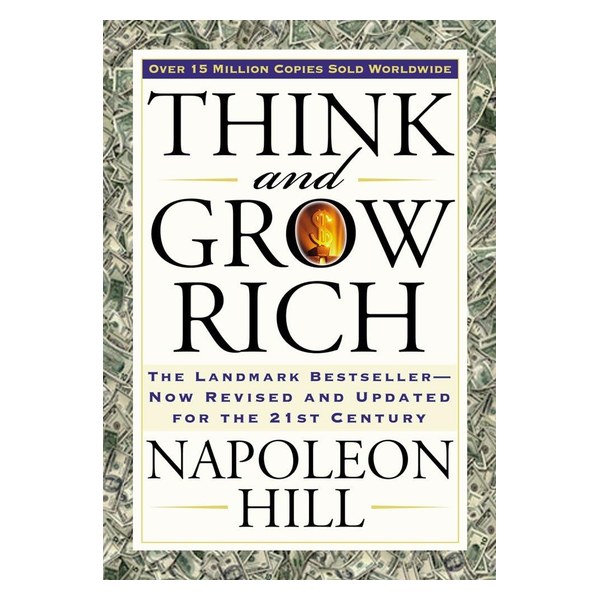
Think and Grow Rich — Book · Napoleon Hill
Think and Grow Rich
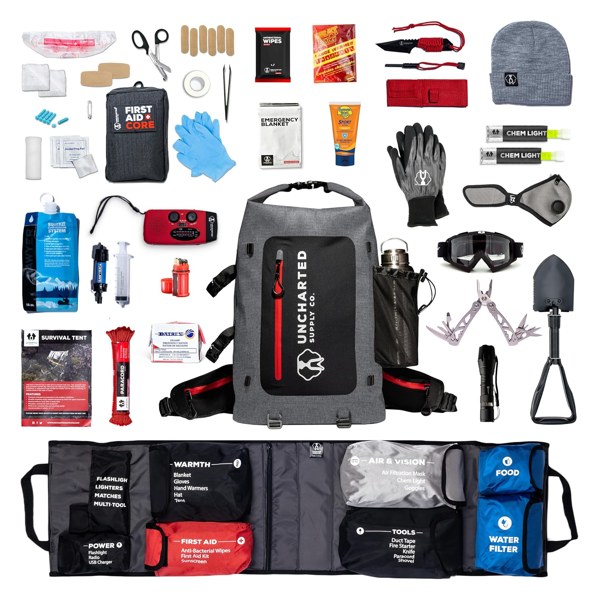
Uncharted Supply Co. SEVENTY2 Survival System — Emergency preparedness · Uncharted Supply Co.
Uncharted Supply Co. SEVENTY2 Survival System
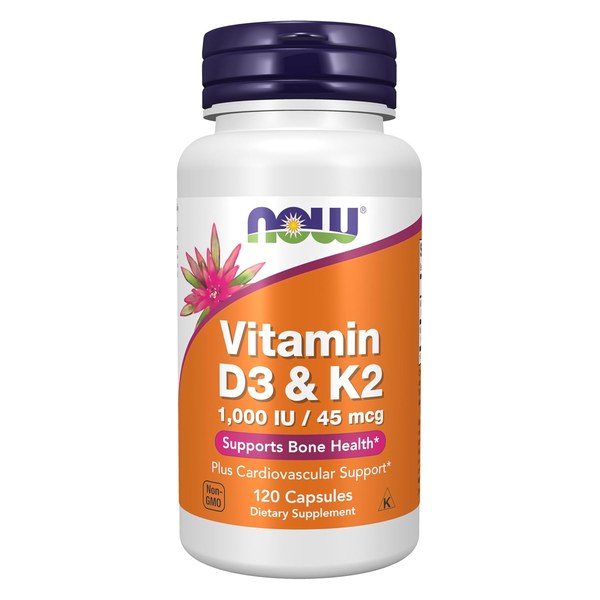
Vitamin D3 & K2 — Supplement · Bones, Heart & Immunity
Vitamin D3 & K2
VT — Vanguard Total World Stock ETF — Investment · Global Index ETF
VT — Vanguard Total World Stock ETF
YouTube Premium — Subscription · Video & Music
YouTube Premium

4Monster Quick-Dry Microfiber Towel

Travel Gear · 4Monster·
4Monster Quick-Dry Microfiber Towel — Travel Gear · 4Monster

Dries you off, then dries itself off before you finish packing.

What it does: A lightweight microfiber towel that 4Monster says dries five times faster than cotton. It folds into its own compact zippered EVA case with a carabiner for clipping to a bag, and comes in several sizes and colours, from small gym towels up to large beach and bath sizes (the linked one is 40 × 20 inches). Made with plant-based dyes and reinforced stitching, with a 12-month warranty.
Who it's for: One bag travelers, backpackers, campers, swimmers and gym-goers — anyone who needs a towel that takes up little space and dries before the next use.
Why I use it: A regular cotton towel is one of the bulkiest, slowest-drying things you can pack. This folds into a case smaller than a book, dries quickly in a hotel room or hanging off my backpack, and clips on so it never gets lost. It is a small upgrade that makes one bag travel, beach days and the gym simpler.
Tradeoffs: Microfiber has a thin, slightly grippy feel that is not as plush or cosy as a thick cotton towel, and it tends to pull water off your skin by dabbing rather than rubbing. It can pick up lint and hair, and fabric softener reduces how well it absorbs. Pick the size carefully: smaller ones are great for the gym but too small to use as a bath towel.
Alternatives: The Sea to Summit DryLite Towel and PackTowl Personal for premium options, and a Turkish cotton (peshtemal) towel for a more natural feel that still packs flat.

As an Amazon Associate I earn from qualifying purchases, at no extra cost to you. I only recommend what I actually use.

The 48 Laws of Power

Book · Robert Greene·
The 48 Laws of Power — Book · Robert Greene

Read it so you can spot the person at work who already did.

What it does: Robert Greene distils 3,000 years of history — Machiavelli, Sun Tzu, Bismarck, Louis XIV, con artists and courtesans — into 48 laws describing how power is gained, held and lost. Each law comes with historical stories of people who followed it and people who broke it, plus the reversal: when the law doesn't apply.
Who it's for: Anyone who works with people — in a hospital, a company, a negotiation or an investment deal — and wants to understand the unspoken dynamics at play. Especially useful if you've ever been blindsided by office politics or someone else's agenda.
Why I use it: I read it as a field guide to human behaviour rather than a playbook. It helps me recognise manipulation when I see it, protect my reputation, and stay calm instead of reacting. Laws like "Never outshine the master", "Guard your reputation with your life" and "Say less than necessary" have saved me from mistakes at work. It pairs well with Munger's psychology of human misjudgment, which you'll find in Poor Charlie's Almanack.
Tradeoffs: Some of the laws are ruthless, and following them literally can cost you trust and relationships. It's long and repetitive in places, and it's best read defensively — to understand power — not as permission to be cold or deceptive. The stories are selective history, not rigorous research.
Alternatives: The Laws of Human Nature and Mastery by Robert Greene, How to Win Friends and Influence People by Dale Carnegie (the warmer approach), Influence by Robert Cialdini (the research-backed version).

As an Amazon Associate I earn from qualifying purchases, at no extra cost to you. I only recommend what I actually use.

Abacus.AI

AI Assistant & Agent Platform·
Abacus.AI — AI Assistant & Agent Platform

An entire team of AI assistants for about the price of a few coffees.

What it does: An AI platform that puts many of the leading AI models in one place for a single subscription, along with an autonomous AI agent that can research, write, create images and video, build and deploy apps and websites, and automate multi-step tasks.
Who it's for: Anyone who wants access to top AI models without paying for several separate subscriptions — creators, small-business owners, students and professionals who want an AI that actually gets work done.
Why I use it: This website was built with it. Instead of hiring a developer, I described what I wanted and worked with the AI agent to design, write and launch marshalldelpe.com. Having many models under one subscription means I can pick the best one for each job. It is leverage — the B and I side of the Cashflow Quadrant applied to time and effort.
Tradeoffs: There is a learning curve to getting great results — clear instructions matter. Heavier agent tasks use credits, so you need to watch usage. As with any AI, outputs should be reviewed rather than trusted blindly, especially for facts, health or money decisions.
Alternatives: ChatGPT (OpenAI), Claude (Anthropic), Gemini (Google), and Perplexity for AI-powered search.

Referral link — I may earn a small commission at no extra cost to you. I only recommend what I actually use.

Amazon Affiliate Program (Amazon Associates)

Income System · Affiliate Marketing·
Amazon Affiliate Program (Amazon Associates) — Income System · Affiliate Marketing

Get paid a little for recommending things you would recommend anyway.

What it does: Amazon's free affiliate program for websites, blogs, newsletters and social accounts. You get a personal tracking tag, add it to Amazon links you share, and earn a commission (roughly 1–10% depending on the product category) on qualifying purchases made within 24 hours of someone clicking your link — even on items you didn't link to.
Who it's for: Writers, creators and anyone who already recommends books and products online and wants those recommendations to pay a little back. You need a site or account with real content, and three qualifying sales within 180 days to stay approved.
Why I use it: It turns recommendations I would make anyway into a small, automated income stream — an asset that keeps working after the writing is done. Every Amazon link on this site carries my tag, so when a reader buys a book or product I use, Amazon pays a commission at no extra cost to them. It is one small way of living the motto: Own More Assets.
Tradeoffs: Commission rates are low and Amazon can change them at any time. Your own purchases never count, cookies only last 24 hours, links must carry a clear disclosure, and the rules are strict — breaking them can close your account and forfeit unpaid earnings. Real income needs real traffic.
Alternatives: Brand-specific affiliate programs (often higher rates), networks like ShareASale, Impact, Awin or Rakuten, or selling your own products and services.

This is a personal recommendation, not a paid promotion.

Amazon Prime

Membership · Shopping & Streaming·
Amazon Prime — Membership · Shopping & Streaming

Free fast shipping, and a lot less time wasted driving around for stuff.

What it does: A paid Amazon membership (monthly or annual) that bundles free fast shipping on millions of eligible items with Prime Video streaming, Amazon Music Prime, Prime Reading, Prime Gaming, member-only deals such as Prime Day, and free photo storage. New members can usually start with a free trial.
Who it's for: Anyone who orders from Amazon more than a few times a year, households that would otherwise pay for a separate streaming service, and busy people who want everyday essentials delivered without thinking about it.
Why I use it: It is automation applied to errands. My supplements, soap, jojoba oil and books arrive in a day or two without a trip to the store, so I spend my time on work, training and reading instead of shopping. Free shipping on small orders means I can reorder exactly what I need when I need it, and the streaming and reading perks come along at no extra cost.
Tradeoffs: It is a recurring cost, and free shipping makes impulse buying easy — the membership only pays off if you would be ordering anyway. Not every item is Prime-eligible, prices are not always the lowest, and the free trial rolls into a paid membership unless you cancel. Review your orders now and then to make sure it is still worth it.
Alternatives: Walmart+ (similar shipping and streaming perks), Target Circle 360 (same-day delivery), Costco membership for bulk buying, or simply batching orders to reach Amazon's free-shipping minimum without a membership.

As an Amazon Associate I earn from qualifying purchases, at no extra cost to you. I only recommend what I actually use.

Apartments.com Rental Finder

Housing · Rental Search App·
Apartments.com Rental Finder — Housing · Rental Search App

Tour ten apartments from the couch, and only put shoes on for the one worth seeing.

What it does: A free app for finding apartments, houses, condos and townhomes for rent across the U.S. You can search by city, neighborhood or landmark, filter by price, floor plan, amenities, pet policy and commute time, take 3D tours, see floor plans, estimate move-in and monthly costs, message property managers, book tours and get alerts when new listings appear. It holds a 4.9-star rating from over 480,000 App Store reviews.
Who it's for: Renters, travel nurses and other people on short contracts, anyone relocating for work, and anyone who would rather keep their money invested than tie it up in a house before they are ready.
Why I use it: Housing is usually the biggest monthly expense, so getting it right does more for your finances than almost anything else. Renting the right place at the right price keeps my options open and more money going into assets. As a nurse, the commute-time filter matters: after a 12-hour shift, a short drive home is worth real money. The 3D tours and cost calculator let me rule places out from my phone before I spend a day off touring them.
Tradeoffs: Listings come mostly from property managers and larger buildings, so private landlords and cheaper deals can be thin. Photos and tours show a place at its best, so visit in person or have someone you trust check it before signing. Watch for scams: never send a deposit for a place you have not seen or a landlord you cannot verify.
Alternatives: Zillow Rentals and Rent.com for a wide selection, Furnished Finder for travel-nurse and medium-term furnished stays, Craigslist and Facebook Marketplace for private landlords (with extra caution), and local property managers directly.

This is a personal recommendation, not a paid promotion.

AquaSonic Black Series PRO Electric Toothbrush

Oral Care · AquaSonic·
AquaSonic Black Series PRO Electric Toothbrush — Oral Care · AquaSonic

Two minutes a day now beats a root canal later.

What it does: An ADA Accepted sonic toothbrush with a 50,000-vibrations-per-minute motor, five brushing modes (Clean, Soft, Whiten, Massage and Deep Clean) and smart timers that pace your two minutes. It charges wirelessly, runs up to 30 days on a charge, is waterproof to IPX7 and comes with six ProFlex brush heads (about 18 months of brushing) and a hard travel case.
Who it's for: Anyone still using a manual toothbrush, or anyone who wants the cleaning power of a premium electric brush without the premium price. It is especially handy for travelers, since one charge outlasts most trips and the case keeps the head clean in a bag.
Why I use it: Your mouth is part of your health. Gum disease is linked to problems far beyond the teeth, and dental work is one of the most expensive repairs a body can need. As a nurse, I think of brushing as cheap, daily maintenance on an asset you only get one of. This brush does the work for me: the timer keeps me honest about the full two minutes, the battery lasts weeks, and six heads in the box means I am not buying replacements for a year and a half. It fits my one-bag travel too.
Tradeoffs: It vibrates more strongly than some people expect, so start on the Soft mode for the first week. The heads are proprietary, so you will eventually buy AquaSonic replacements. It has no app or pressure sensor, and the satin handle shows water spots.
Alternatives: Philips Sonicare (the long-time standard, with pressure sensors on higher models, at a higher price), Oral-B iO for a rotating round head, or the cheaper AquaSonic Black Series (non-PRO) if you just want the basics.

As an Amazon Associate I earn from qualifying purchases, at no extra cost to you. I only recommend what I actually use.

The Art of War

Book · Sun Tzu·
The Art of War — Book · Sun Tzu

Ancient battle advice that works surprisingly well on salary negotiations.

What it does: An ancient Chinese treatise on military strategy, traditionally credited to the general Sun Tzu, written around the 5th century BC. In 13 short chapters it covers planning, positioning, deception, intelligence and when to fight — and when not to. Its core idea: the best victory is the one won without fighting.
Who it's for: Anyone dealing with competition or conflict — in business, negotiation, investing, sports or office politics — who wants timeless principles about preparation, patience and knowing the terrain.
Why I use it: It is short enough to reread every year, and every reread lands differently. "Know the enemy and know yourself" maps directly onto investing and staying within your circle of competence, and the emphasis on avoiding unnecessary battles is a reminder that the strongest position is often the one where you never have to fight. It pairs naturally with The 48 Laws of Power.
Tradeoffs: The aphorisms are compressed and sometimes cryptic, so translation quality matters a lot. It is easy to over-apply military metaphors to everyday life, and the original is about war, not business — the connections take reflection to make.
Alternatives: The 48 Laws of Power and The 33 Strategies of War by Robert Greene, The Book of Five Rings by Miyamoto Musashi, and On War by Carl von Clausewitz.

As an Amazon Associate I earn from qualifying purchases, at no extra cost to you. I only recommend what I actually use.

Automation

System · Money & Time·
Automation — System · Money & Time

Let robots handle the boring errands so future you stops nagging present you.

What it does: Moves recurring decisions out of your head and into rules that run on their own: automatic transfers to investment and savings accounts on payday, autopay for every bill, recurring supplement and household orders, calendar templates, and AI tools that handle repetitive digital work.
Who it's for: Busy people — shift workers, parents, professionals — who want good habits to happen by default rather than relying on willpower and memory.
Why I use it: Willpower is unreliable; systems are not. My investing happens before I can see or spend the money, my bills never go late, and the essentials restock themselves. Every decision I automate frees attention for the decisions that actually need me. It is minimalism applied to effort, and it lets compounding run without my interference.
Tradeoffs: Automated systems can run blindly — subscriptions you forgot about, a transfer that overdraws an account, or an investment that should have been rebalanced. Review everything at least quarterly. Setting it up takes a few hours up front.
Alternatives: I Will Teach You to Be Rich by Ramit Sethi (the clearest money-automation playbook), the "pay yourself first" principle from The Richest Man in Babylon, and tools like Zapier or IFTTT for digital workflows.

This is a personal recommendation, not a paid promotion.

The Big Five (OCEAN) Model

Personality · Psychology·
The Big Five (OCEAN) Model — Personality · Psychology

The personality test scientists actually trust, no horoscope required.

What it does: The most widely used and research-backed model of personality in psychology. It measures five independent traits, each on a spectrum: Openness to experience, Conscientiousness, Extraversion, Agreeableness and Neuroticism (OCEAN). Instead of putting you in a box, it shows where you fall on each scale compared with other people.
Who it's for: Anyone who liked the idea of personality typing but wants something more rigorous, and anyone trying to understand their own habits, relationships and work fit with more precision.
Why I use it: It is the version of personality science that holds up. Conscientiousness predicts follow-through, Neuroticism shapes how I react under pressure, and Openness explains why I keep collecting ideas for this realm. Seeing my traits as dials rather than labels tells me which defaults to lean on and which to build systems around.
Tradeoffs: Scores are only as honest as your answers, and the traits describe tendencies, not destiny — behaviour still depends on the situation. It is less catchy than a four-letter type, so it rarely becomes a shared language with friends, and many free online versions are short and imprecise.
Alternatives: MBTI or 16Personalities for a more memorable, conversational framework; the HEXACO model, which adds an Honesty-Humility trait; and Jordan Peterson's paid Understand Myself assessment for a detailed Big Five report.

This is a personal recommendation, not a paid promotion.

CARFAX Used Car Listings

Car Buying · CARFAX·
CARFAX Used Car Listings — Car Buying · CARFAX

Read the car's diary before you start dating it.

What it does: Free search of used cars for sale at dealers across the U.S., with a free CARFAX vehicle history report attached to every listing. You can filter for cars with no reported accidents, one owner, personal use and service records, and each listing shows how its price compares with similar cars in the market.
Who it's for: Anyone shopping for a used car who wants to know a vehicle's past before falling for it on the lot, especially first-time buyers and people who do not want to pay extra for a history report on every car they look at.
Why I use it: A car is one of the biggest purchases most people make, and it loses value from the day you buy it. Buying used, and buying smart, keeps more money working for you. Starting the search with the history already in hand filters out flood damage, salvage titles and neglected cars before I spend a Saturday test driving them. Fewer surprises, fewer bad decisions, more money left to invest.
Tradeoffs: A history report only shows what was reported, so an accident paid for in cash may never appear. Always get an independent pre-purchase inspection from a mechanic you trust. Listings come mostly from dealers, so private-party deals are thin, and the price ratings are a guide, not a guarantee.
Alternatives: Autotrader and Cars.com for the biggest selection of listings, CarGurus for strong price analysis, Edmunds and Kelley Blue Book for checking fair value, and AutoCheck for a second history report.

This is a personal recommendation, not a paid promotion.

Cashflow Quadrant

Book · Robert Kiyosaki·
Cashflow Quadrant — Book · Robert Kiyosaki

A four-box map that shows whether you own a business or the business owns you.

What it does: Maps four ways people earn money—Employee (E), Self-employed (S), Business owner (B), Investor (I)—and explains in plain terms why the left side of the quadrant (E and S) trades time for money, while the right side (B and I) builds income that compounds without you being the bottleneck.
Who it's for: Anyone stuck in employment or self-employment who has not yet built income that works independently of their direct time and labor input.
Why I use it: This book reframed how I think about income and effort. Most people optimize hard within the wrong quadrant—working longer hours, getting a higher salary, building a bigger client base—without ever questioning which quadrant they are in. The map is the first tool. Once you see it, you cannot unsee it. My goal is B and I. The book is also where I first understood that taxes are written for business owners and investors, not employees.
Tradeoffs: Kiyosaki's writing is repetitive and some of his specific investment claims are dated or oversimplified. Take the framework seriously. Apply your own judgment and research on the execution. The concepts carry; the specifics require verification.
Alternatives: Rich Dad Poor Dad (Kiyosaki) is the entry point and the more widely read book—start there. The Millionaire Fastlane by MJ DeMarco is a harder-edged version of similar principles with more tactical application. The E-Myth Revisited by Michael Gerber applies the S-to-B transition specifically to small business owners.

As an Amazon Associate I earn from qualifying purchases, at no extra cost to you. I only recommend what I actually use.

Chaco Z/Cloud Sandals

Footwear · Chaco·
Chaco Z/Cloud Sandals — Footwear · Chaco

Sandals that hike, swim and travel, and still look fine at dinner.

What it does: Rugged outdoor sport sandals built around a single strap of polyester webbing that wraps the foot and runs through the sole, so one pull adjusts the whole fit. The Z/Cloud adds a cushioned, dual-density LUVSEAT footbed with built-in arch support and a grippy ChacoGrip rubber outsole with 3.5 mm lugs. Vegan construction, and Chaco will resole and repair them through its ReChaco program.
Who it's for: Travelers, hikers, beachgoers and anyone who wants one pair of sandals that can handle rivers, trails, city walking and long days on your feet.
Why I use it: They are the one pair of shoes that does almost everything: wet, dry, sand, rock or pavement. That fits my one-bag approach to travel — fewer things, each one built to last and do more. The cushioned footbed keeps my feet comfortable for hours, and because they can be repaired instead of replaced, they are an asset that keeps paying for itself.
Tradeoffs: They are heavier than flip-flops and slide sandals, the arch support takes some getting used to, and the strap can leave a distinctive "Chaco tan." Getting the fit right through the single strap takes a few minutes of adjusting at first.
Alternatives: The thinner Chaco Z/1 Classic, Teva Hurricane XLT2 for a lighter feel, and Bedrock Sandals for a minimalist option.

As an Amazon Associate I earn from qualifying purchases, at no extra cost to you. I only recommend what I actually use.

Circle of Competence

Mental Model · Warren Buffett & Charlie Munger·
Circle of Competence — Mental Model · Warren Buffett & Charlie Munger

Knowing what you don't know is a superpower that looks a lot like humility.

What it does: Draws an honest boundary around what you genuinely understand — where you can predict outcomes and spot mistakes — versus what you only think you understand. Buffett's rule: the size of the circle matters far less than knowing exactly where its edges are.
Who it's for: Investors, professionals and decision-makers who want to avoid the costly errors that come from overconfidence in unfamiliar areas.
Why I use it: It keeps me out of trouble. Before I invest in something, give advice, or take on a new commitment, I ask whether it sits inside my circle. As a nurse I know exactly where my clinical competence ends and a specialist's begins — the same discipline applies to money. Most big losses come from stepping outside the circle without noticing.
Tradeoffs: Applied too strictly it can become an excuse never to learn anything new. The circle should grow deliberately over time — through study and small, low-risk experiments — not stay frozen.
Alternatives: The Dunning-Kruger effect (the psychology of why we misjudge our own circle), Munger's "too hard" pile, and Peter Lynch's "invest in what you know".

This is a personal recommendation, not a paid promotion.

Classical Music & Cognition: The Mozart Effect Study

Research · Rauscher, Shaw & Ky (Nature, 1993)·
Classical Music & Cognition: The Mozart Effect Study — Research · Rauscher, Shaw & Ky (Nature, 1993)

Mozart won't make you a genius, but he makes a great study buddy.

What it does: The landmark study linking classical music to better thinking. Published in Nature in 1993 by Frances Rauscher, Gordon Shaw and Catherine Ky, it found that college students who listened to 10 minutes of Mozart's Sonata for Two Pianos in D major (K. 448) scored higher on spatial-reasoning tasks than after silence or relaxation instructions. The boost was temporary — about 10 to 15 minutes.
Who it's for: Anyone curious whether music can help them think, study or work better, and anyone who wants to separate the real finding from the "Mozart makes babies smarter" myth.
Why I use it: Classical music is part of my focus routine. The honest takeaway from the research is that music you enjoy can lift your mood and alertness, which helps with demanding mental work for a while afterwards — and instrumental music without lyrics gets in the way of reading and writing less. That is reason enough to press play before deep work.
Tradeoffs: The effect is small and short-lived, and the authors never claimed it raises IQ. Later research, including a 2010 meta-analysis of 39 studies by Pietschnig, Voracek and Formann, found little evidence of a special Mozart effect and pointed to arousal and enjoyment as the likely explanation — similar results appear with other music people like.
Alternatives: Actually learning an instrument (Schellenberg's 2004 study found music lessons produced small IQ gains in children), lyric-free focus music or ambient sound, and exercise, which has strong evidence for improving cognition.

This is a personal recommendation, not a paid promotion.

Compounding

Mental Model · Mathematics·
Compounding — Mental Model · Mathematics

The eighth wonder of the world, and it only asks you to wait.

What it does: Explains how growth builds on previous growth, so small, consistent gains turn into enormous results over long periods. It applies to money, but just as much to knowledge, health, habits, skills and relationships.
Who it's for: Anyone with a long time horizon — and the patience to let it work. Most valuable for people early in their careers, when the runway is longest.
Why I use it: It is the single idea that ties my realm together. Owning more assets is compounding money. Reading every day is compounding knowledge. Daily rowing and good nutrition are compounding health. Buffett built most of his wealth after age 50 — not because he got smarter, but because compounding had decades to work. My job is simply not to interrupt it.

Tradeoffs: The early years feel painfully slow, which is why most people quit before the curve bends. It also works in reverse: debt, bad habits and neglected health compound just as reliably.
Alternatives: The Psychology of Money by Morgan Housel (the best chapter on compounding I have read), The Compound Effect by Darren Hardy, Atomic Habits by James Clear.

This is a personal recommendation, not a paid promotion.

Creatine Monohydrate

Supplement · Muscle & Brain·
Creatine Monohydrate — Supplement · Muscle & Brain

The most studied supplement on earth, for your muscles and your brain.

What it does: Creatine is a compound your body already makes and stores in muscle and brain tissue, where it recycles ATP — the fuel cells burn during short, intense effort and heavy thinking. Supplementing 3–5 g a day tops up those stores. It is one of the most researched supplements in the world: for muscle, it reliably improves strength, power and lean-mass gains when paired with resistance training, and speeds recovery between sets. For the brain, a growing body of studies shows benefits for short-term memory and mental performance, especially under sleep deprivation, in older adults, and in people who eat little or no meat.
Who it's for: Anyone who lifts, plays sports or wants to hold on to muscle as they age — and anyone interested in an inexpensive, well-studied way to support brain energy. Vegetarians and vegans tend to see the biggest effect because they get almost none from food.
Why I use it: It's the rare supplement with decades of solid evidence, a low price and almost no downside. I take 5–25 g of plain monohydrate every day mixed into water or coffee — no loading phase, no cycling. It helps me train harder and recover faster, and I like that it supports the brain as well as the body. I buy NOW Sports Creatine Monohydrate: one ingredient, lab-tested, inexpensive, and from the same company I get most of my supplements from, which keeps things simple.
Tradeoffs: Expect 1–2 lb of water weight in the first few weeks as muscles store more water. A few people get mild stomach upset at higher doses. It works slowly — benefits build over 3–4 weeks of daily use. Brain research is promising but younger than the muscle research. This isn't medical advice: if you have kidney disease or take medication, check with your doctor first.
Alternatives: Klean Athlete Creatine, Momentous Creatine, or any creatine monohydrate made with Creapure®. Skip pricier "advanced" forms (HCl, buffered, ethyl ester) — none have beaten plain monohydrate in research.

As an Amazon Associate I earn from qualifying purchases, at no extra cost to you. I only recommend what I actually use.

Daily Rowing

System · Exercise·
Daily Rowing — System · Exercise

Twenty minutes sitting down that somehow works 85% of your muscles.

What it does: A short rowing session every day on an indoor rower. Each stroke works roughly 85% of the body's muscles — legs, core, back and arms — while building cardiovascular fitness, all with very low impact on the joints.
Who it's for: Anyone who wants an efficient, joint-friendly daily workout that combines cardio and strength. Great for busy schedules, people recovering from running injuries, and anyone who prefers one reliable habit over a complicated program.
Why I use it: It is the highest return on time I have found in exercise. Twenty to thirty minutes covers cardio, posture and full-body strength, and doing it daily removes the question of whether today is a workout day. After long shifts on my feet, the low impact matters. The Concept2 RowErg is the standard for a reason — it is durable and its performance monitor makes progress measurable, which keeps the habit compounding.
Tradeoffs: Technique matters: pulling mainly with the arms or rounding the back can strain the lower back. Learn the sequence (legs, body, arms — then reverse) first. A good rower costs real money and takes floor space, and daily sessions need easy days mixed in to avoid burnout.
Alternatives: Cycling or an air bike (also low impact), swimming, brisk walking or rucking, and kettlebell swings for a similar full-body effect in less space.

As an Amazon Associate I earn from qualifying purchases, at no extra cost to you. I only recommend what I actually use.

DeleteMe

Privacy · Personal Data Removal·
DeleteMe — Privacy · Personal Data Removal

Pay someone to get your name off the internet's gossip lists.

What it does: Finds and removes your personal information — name, home address, phone number, age, relatives, and more — from data broker and people-search websites that collect and sell it. It keeps monitoring and re-submitting removal requests throughout the year and sends regular reports on what it found and removed.
Who it's for: Anyone who values privacy or wants to reduce exposure to spam, scams, identity theft, doxxing and stalking — especially people with a public presence, healthcare workers, investors and families.
Why I use it: Having a public website means my name is out there by choice — my home address and phone number should not be. Data brokers relist people constantly, and opting out of each site manually is tedious and never-ending. DeleteMe turns that into an automated system that keeps running in the background.
Tradeoffs: It is a paid annual subscription, and it cannot remove everything — public records, social media and some sites are out of reach. Results take weeks to show up. You can opt out of data brokers yourself for free if you have the time.
Alternatives: Incogni, Optery, Kanary, Aura (bundled with identity protection), or doing manual opt-outs yourself site by site.

This is a personal recommendation, not a paid promotion.

Dive Watches (my Blue Bulova Marine Star)

Watches · Bulova·
Dive Watches (my Blue Bulova Marine Star) — Watches · Bulova

One watch for the boardroom, the beach and everything in between.

What it does: A dive watch is built to survive water, sweat and bumps, and to be read at a glance in any light: a rotating bezel for timing anything from a swim to a parking meter, luminous hands and markers, a sealed screw-down crown and a sturdy bracelet. My example is the Bulova Marine Star Series B Automatic (style 98B466): a 41 mm stainless steel case and bracelet, a blue sunray dial, a blue-and-black 60-minute bezel, a self-winding automatic movement, a date window, anti-reflective sapphire crystal and 200 meters of water resistance.
Who it's for: Anyone who wants one durable, good-looking watch that can go from work to the beach to a night out without a second thought, and anyone who would rather check the time without picking up a phone.
Why I use it: One watch that does it all fits how I like to live: own fewer, better things that handle every situation. The Marine Star looks sharp, shrugs off water and long shifts, and the automatic movement winds itself as I move, so there is no battery to replace. Glancing at my wrist instead of my phone also keeps me off the screen and out of the notification spiral. It is a durable asset I will wear for years.
Tradeoffs: An automatic is less accurate than a quartz watch (expect it to gain or lose a few seconds a day) and it stops if you leave it off your wrist for a couple of days, so you will reset it now and then. It needs a service every several years. At 200 meters it handles swimming and snorkeling easily, but it is not an ISO-certified professional diver's watch. Stainless steel on a bracelet is fairly heavy.
Alternatives: The quartz Marine Star chronographs (no winding, lower price), the Seiko 5 Sports or Seiko Prospex for another automatic diver, the Citizen Promaster Diver (solar powered, ISO-rated) or the budget Casio Duro MDV-106.

As an Amazon Associate I earn from qualifying purchases, at no extra cost to you. I only recommend what I actually use.

Dr. Bronner's Soaps

Personal Care · Castile Soap·
Dr. Bronner's Soaps — Personal Care · Castile Soap

One soap for your body, your dishes and your floors. Just maybe not in that order.

What it does: Dr. Bronner's Pure-Castile Liquid Soap is a concentrated soap made from organic plant oils—coconut, olive, hemp and jojoba—with no synthetic detergents, foaming agents or preservatives. The label calls it "18-in-1": diluted with water, the same bottle works as body wash, face wash, shampoo, hand soap, shaving soap, dish soap, laundry booster and all-purpose cleaner. It comes in scents like peppermint, lavender, eucalyptus, citrus and unscented baby mild.
Who it's for: Anyone who wants fewer bottles in the shower and under the sink, people who prefer simple plant-based ingredients, travellers who need one product that does everything, and anyone trying to cut household costs.
Why I use it: It fits the way I like to run things: one simple, reliable product doing the job of many. A single concentrated bottle replaces body wash, shampoo, hand soap and a cleaner, so it lasts a long time and costs very little per use. It is also the obvious soap for one bag travel—a small bottle covers everything. I use the peppermint scent; the tingle is a good wake-up after a long shift.
Tradeoffs: It is very concentrated, so it must be diluted—used straight it can dry out or irritate skin, and peppermint can sting near the eyes. As a true soap it can leave hair feeling stiff or waxy unless you follow with an acidic rinse such as diluted apple cider vinegar, and it can leave a film in hard water. Do not mix it directly with vinegar for cleaning; the two cancel each other out.
Alternatives: Dr. Bronner's Pure-Castile Bar Soap (same formula, no dilution needed), Dr. Bronner's Sal Suds for heavier household cleaning, Kirk's Castile Bar Soap as a low-cost option, and a gentle syndet cleanser such as Cetaphil or Vanicream for very sensitive skin.

As an Amazon Associate I earn from qualifying purchases, at no extra cost to you. I only recommend what I actually use.

Six kitchen appliances in one box, and takeout gets a lot less tempting.

What it does: One countertop appliance that replaces several: an air fryer, toaster, convection oven, dehydrator, slow cooker and rotisserie in a 26-quart stainless steel oven with 24 cooking functions. French doors open with a single pull, an interior light lets you watch food without opening them, and a dual-speed fan circulates superheated air for crisp results with little or no oil. The toast timer shuts the oven off automatically, so no burnt toast. It is big enough for a whole chicken on the rotisserie or a 12-inch pizza.
Who it's for: Anyone who wants to cook real food at home more often with less effort and cleanup, especially busy people, shift workers and small families who want quick weeknight meals and simple batch cooking without heating up a full-size oven.
Why I use it: Cooking at home is one of the simplest ways to be both healthier and wealthier: better ingredients, less oil, and far less money spent on takeout. This oven makes that easy enough to actually stick with. I can air-fry vegetables and protein, roast a chicken or reheat leftovers properly in minutes, then get on with my day. One appliance doing the work of several also means less clutter on the counter, which fits how I like to live: own fewer, better things.
Tradeoffs: It is large and heavy, so measure your counter space first, and the outside gets hot during use. Preheating and cook times differ from a regular oven, so expect a little trial and error at first. The many accessories and crumb tray need regular cleaning, and smaller air fryers crisp a single portion faster.
Alternatives: The Ninja Foodi Dual Zone or Cosori air fryers for a smaller, basket-style option, the Breville Smart Oven Air Fryer Pro for a premium build, or the Instant Vortex Plus air fryer oven for a lower price.

As an Amazon Associate I earn from qualifying purchases, at no extra cost to you. I only recommend what I actually use.

Even Realities G2 + R1

Smart Glasses & Ring·
Even Realities G2 + R1 — Smart Glasses & Ring

Smart glasses that look like regular glasses, so nobody knows you're reading your notes.

What it does: The G2 are lightweight smart glasses (about 36g) with a discreet heads-up display built into normal-looking frames — no camera and no speakers. They show notifications, navigation, a teleprompter, live translation, and an AI assistant (Conversate) that can surface prompts and summaries during conversations. The R1 is a ceramic smart ring that works as a tiny trackpad for the glasses, so you can scroll and tap without touching your face, and it also tracks heart rate, HRV, sleep, and steps.
Who it's for: People who want information without pulling out a phone — busy professionals, frequent travellers, presenters, and anyone trying to cut down on screen time. Also good if you need prescription lenses (roughly −12 to +12 supported).
Why I use it: They keep my eyes up and my phone in my pocket. Glancing at a note, a direction, or a translation without breaking a conversation feels like a genuine upgrade, and the camera-free design means the people around me aren't wondering if they're being recorded. The ring makes control feel natural instead of awkward.
Tradeoffs: The display is monochrome green text, not full-colour AR. There are no speakers, so audio still comes from your phone or earbuds. It's a premium price (around $599 for the G2 and $249 for the R1 at launch), and the software is still evolving.
Alternatives: Ray-Ban Meta glasses (camera and audio, no display), Xreal glasses (big-screen media viewing, tethered), Oura Ring (health tracking only).

This is a personal recommendation, not a paid promotion.

Expedia Travel App

Travel Booking·
Expedia Travel App — Travel Booking

Flights, hotels and cars in one app, and rewards for the trip after that.

What it does: One app to search, compare and book flights, hotels, rental cars, vacation rentals and activities — with flight-plus-hotel bundle discounts, member-only prices, price tracking and all your itineraries in one place. Its One Key rewards programme is shared across Expedia, Hotels.com and Vrbo.
Who it's for: Travelers who want to plan and manage trips from their phone, compare options quickly and collect rewards without juggling a dozen airline and hotel apps.
Why I use it: It fits the one bag travel system: fewer apps, fewer decisions, everything in my pocket. Bundling a flight and hotel often costs less than booking them separately, price alerts tell me when to buy, and having every confirmation in one itinerary keeps trips simple. One Key rewards add up across stays.
Tradeoffs: When something goes wrong — cancellations, changes, missed connections — dealing with a third-party booking site can be slower than going straight to the airline or hotel. Hotel loyalty points and elite perks often do not apply to third-party bookings. Always compare against booking direct.
Alternatives: Google Flights (best for searching fares), Booking.com, Kayak, Hopper (price prediction), and booking directly with airlines and hotel chains for loyalty benefits.

This is a personal recommendation, not a paid promotion.

The F.I.R.E. Movement

System · Financial Independence·
The F.I.R.E. Movement — System · Financial Independence

Retirement is not an age, it is a number. Go find yours.

What it does: F.I.R.E. stands for Financial Independence, Retire Early: save and invest a large share of your income, build a portfolio big enough to cover your living costs, then live off it. The engine is a safe withdrawal rate of roughly 3–5% a year. Withdraw 4% and you need about 25 times your annual spending invested ($40,000 a year → $1 million); at 3% you need about 33 times (a safer target for retirements of 40+ years); at 5% about 20 times (faster to reach, but riskier). The 4% guideline comes from William Bengen's 1994 research and the 1998 Trinity Study, which found it historically lasted through almost every 30-year period of U.S. stock and bond returns.
Who it's for: Anyone who wants work to become optional — whether that means retiring at 40, going part-time, or simply having the freedom to walk away from a job that no longer fits. It suits people willing to keep their spending well below their income for years.
Why I use it: It is the most concrete answer I have found to my motto: the ability to do what you want, when you want, with who you want, for as long as you want. Your number is simply your yearly spending divided by your withdrawal rate — so every dollar of expenses I cut lowers the finish line, and every dollar I invest moves me toward it. It turns "Own More Assets" into a goal with a date attached.
Tradeoffs: The 4% rule is based on past U.S. returns over 30 years; early retirees need their money to last longer, and a market crash in the first few years (sequence-of-returns risk) can do lasting damage — which is why many choose 3–3.5% or stay flexible, spending less in down years. Healthcare before Medicare, inflation and taxes all need planning, and extreme frugality can cost you the life you are saving for.
Alternatives: Lean FIRE (a minimal budget), Fat FIRE (a larger cushion), Barista or Coast FIRE (part-time work covers expenses while investments grow), a traditional retirement at 60–67, or a dividend and rental income approach that aims to live off cash flow without selling assets.

This is a personal recommendation, not a paid promotion.

F.U. Money

Book · Dan Lok·
F.U. Money — Book · Dan Lok

The number at which you can finally say no and mean it.

What it does: Dan Lok defines "F.U. Money" as your personal number — the amount that lets you walk away from any job, person or situation that does not fit your values. The book argues against the "get rich slow" mindset and pushes readers to build high-income skills like sales and marketing, set a Daily Income Goal, and create scalable businesses instead of trading time for money.
Who it's for: People who feel stuck trading hours for a paycheck and want an aggressive, entrepreneurial counterweight to traditional save-and-wait advice.
Why I use it: Its definition of freedom matches my motto almost word for word: being able to do what you want, when you want, with who you want. Calculating my own number makes the goal concrete instead of vague, and the focus on growing income is a useful balance to books that only teach cutting expenses.
Tradeoffs: It is motivational more than analytical, parts of the business advice feel dated, and it dismisses slow, steady investing — the very path The National Study of Millionaires found most millionaires actually took. Watch for survivorship bias: most new businesses fail.
Alternatives: Rich Dad's Cashflow Quadrant by Robert Kiyosaki, The Millionaire Fastlane by MJ DeMarco, and The Millionaire Next Door for the slow-and-steady counterpoint.

As an Amazon Associate I earn from qualifying purchases, at no extra cost to you. I only recommend what I actually use.

Fidelity

Investing & Brokerage·
Fidelity — Investing & Brokerage

Where your money goes to quietly grow while you get on with your life.

What it does: A full-service brokerage platform offering commission-free trading, index funds, retirement accounts (IRA, 401k rollover), and cash management.
Who it's for: Long-term investors who want a reliable, no-nonsense platform. Especially good for buy-and-hold index fund investors.
Why I use it: Zero-commission trades, FZROX (0.00% expense ratio total market fund), excellent customer service, and no pressure to trade actively. It doesn't gamify investing — it just works.
Tradeoffs: The interface isn't the most modern. The mobile app is functional but feels dated compared to Robinhood or Schwab. Research tools are deep but can be overwhelming.
Alternatives: Vanguard (similar philosophy, clunkier interface), Schwab (better banking integration), M1 Finance (automated portfolio building).

This is a personal recommendation, not a paid promotion.

Fish Oil

Supplement · Omega-3 (EPA & DHA)·
Fish Oil — Supplement · Omega-3 (EPA & DHA)

All the omega-3s from a salmon dinner without having to cook the salmon.

What it does: Provides the long-chain omega-3 fatty acids EPA and DHA, which the body makes poorly on its own. They are structural components of brain and eye cells and support heart health, healthy triglyceride levels and the body's inflammatory balance.
Who it's for: Anyone who eats fewer than two servings of fatty fish such as salmon, sardines or mackerel a week — which is most people — and those focused on long-term heart and brain health.
Why I use it: I do not eat fatty fish often enough, and the modern diet is heavy in omega-6 fats and light in omega-3s. A quality fish oil closes that gap simply. I look for purity testing and a clear EPA + DHA amount on the label. I use NOW Omega-3: molecularly distilled, affordable, and from the same company I get most of my supplements from.
Tradeoffs: Quality varies widely — cheap oils can be oxidised (rancid) or low in actual EPA/DHA, so read the label for amounts, not just "1,000 mg fish oil". Fishy burps are common; keeping capsules in the freezer or taking them with meals helps. High doses can affect bleeding risk, so check with your doctor if you take blood thinners.
Alternatives: Eating fatty fish two or three times a week, algae oil (a vegan source of EPA and DHA), krill oil, and cod liver oil (which also contains vitamins A and D).

As an Amazon Associate I earn from qualifying purchases, at no extra cost to you. I only recommend what I actually use.

FriXion Erasable Pens

Stationery · Pilot·
FriXion Erasable Pens — Stationery · Pilot

Commit to ink, keep the right to change your mind.

What it does: Pilot FriXion pens use thermo-sensitive gel ink that turns invisible when heated by friction, so the rubber tip on the end erases cleanly — no shavings, no torn paper. They write smoothly like a normal gel pen and come in many colours and tip sizes.
Who it's for: Planners, journalers, students and anyone who writes by hand and changes their mind — schedules, to-do lists, notebooks and calendars.
Why I use it: Handwriting is how I think through ideas, and FriXion lets me plan in pen without a page full of crossed-out mistakes. Schedules shift constantly with shift work, and I can update my paper planner cleanly instead of rewriting it. They pair perfectly with a notebook for weekly reviews.
Tradeoffs: Because heat erases the ink, writing can vanish in a hot car or near a heater (cold, like a freezer, can bring much of it back). Never use them for legal documents, cheques, medical charting or anything that must be permanent. The erasing tip can slightly smudge or rough up thin paper.
Alternatives: A mechanical pencil (truly cheap and erasable), Pilot G2 or Uni-ball Signo when you need permanent ink, and reusable smart notebooks such as Rocketbook.

As an Amazon Associate I earn from qualifying purchases, at no extra cost to you. I only recommend what I actually use.

For anyone who has ever stared at a job listing and thought, "Is this it?"

What it does: A book by career coach Ken Coleman (Ramsey Solutions) that comes with a unique code for the Get Clear Career Assessment. The assessment maps your top talents (what you do best), passions (what you enjoy) and mission (the results you want to produce), then combines them into a personalized purpose statement. The book shows you how to use those results to aim your job search, grow in your career and earn more doing work you enjoy.
Who it's for: Anyone who feels stuck, is choosing a first career, thinking about a career change, or simply wants a clearer picture of the kind of work that energizes them. It pairs well with personality frameworks like MBTI and the Big Five.
Why I use it: Self-knowledge is leverage. When you know what you are wired to do, it gets easier to say no to the wrong opportunities and go all in on the right ones — and work you are good at and enjoy is work you can sustain long enough for compounding to kick in. I like that it turns vague ideas about "finding your passion" into concrete talents, passions and a one-sentence mission you can actually act on.
Tradeoffs: The assessment code is single-use, so buy a new copy rather than a used one if you want to take it. Like any self-report test, results reflect how you see yourself at the moment, not a scientific verdict. The book leans on Ramsey-style motivation and examples, and it points you toward a direction — the real work of trying, testing and building skills is still on you.
Alternatives: The 16Personalities (MBTI-style) test, a Big Five (OCEAN) assessment, CliftonStrengths (Gallup), or What Color Is Your Parachute? by Richard N. Bolles.

As an Amazon Associate I earn from qualifying purchases, at no extra cost to you. I only recommend what I actually use.

Like standing on a cloud that refuses to slip on a wet hospital floor.

What it does: The Bondi SR takes the Bondi, the most cushioned shoe in HOKA's road lineup, and rebuilds it for long days at work. It has a water-resistant leather upper, a breathable textile lining, a removable foam footbed, a thick EVA midsole that absorbs shock, and a slip-resistant, full-ground-contact rubber outsole that grips wet and slick floors. The all-white leather wipes clean easily.
Who it's for: Nurses, doctors, restaurant and retail workers, and anyone who spends 10 to 12 hours on their feet on hard, sometimes wet floors. It also suits people with sore feet, knees or backs who want maximum cushioning in an everyday shoe.
Why I use it: Twelve-hour hospital shifts are hard on the body, and your feet carry all of it. As a nurse, I treat good shoes as protective equipment, not fashion: a slip on a wet floor or years of pounding on hard surfaces can cost far more than any pair of shoes. The Bondi SR gives me heavy cushioning and real grip in a leather shoe that wipes clean after a messy shift. Spending a bit more on the thing you stand in all day is one of the best deals in health.
Tradeoffs: They are expensive, and the thick, max-cushion sole looks chunky and feels high off the ground, which takes some getting used to. Leather needs a short break-in period and is warmer than a mesh sneaker. They run a little narrow for some people (wide sizes exist), and they are heavier than HOKA's running shoes.
Alternatives: The regular HOKA Bondi or Clifton in mesh if you do not need slip resistance, Brooks Ghost or Addiction Walker for similar cushioning, Dansko clogs (a nursing classic), or Skechers Work slip-resistant shoes for a much lower price.

As an Amazon Associate I earn from qualifying purchases, at no extra cost to you. I only recommend what I actually use.

Intermittent Fasting

System · Nutrition·
Intermittent Fasting — System · Nutrition

The diet plan that mostly consists of not eating breakfast on purpose.

What it does: An eating pattern that cycles between periods of eating and fasting. The most common approach is 16:8 — eating within an 8-hour window and fasting for 16 hours, mostly overnight. Other versions include 18:6, one meal a day (OMAD) and 5:2, where two days a week are very low-calorie. Water, black coffee and plain tea are allowed during the fast.
Who it's for: People who want a simple structure for eating less without counting calories, those who are rarely hungry in the morning, and anyone looking to pair it with a low-carb or ketogenic diet. Anyone with diabetes, a history of eating disorders, or who is pregnant should talk to their doctor first.
Why I use it: It removes decisions. A fixed eating window means fewer meals to plan, less snacking, and more time and focus in the morning. It fits naturally with keto — once you are fat-adapted, skipping breakfast is easy — and it works around long shifts when sitting down for three meals is not realistic anyway.
Tradeoffs: The first week can bring hunger, irritability and low energy. It can make it harder to eat enough protein if you train hard, it does not fit easily around family meals and social events, and a narrow window can turn into overeating if food quality is poor. It is a timing tool, not a replacement for eating well.
Alternatives: Simple time-restricted eating (12:12, finishing dinner earlier), regular calorie tracking, a ketogenic or Mediterranean diet on a normal meal schedule, or periodic longer fasts under medical guidance.

This is a personal recommendation, not a paid promotion.

Jojoba Oil

Supplement · Skin & Hair·
Jojoba Oil — Supplement · Skin & Hair

One bottle that quietly replaces half the products in your bathroom.

What it does: A cold-pressed liquid wax extracted from the seed of the jojoba plant (Simmondsia chinensis). Unlike most oils, jojoba is technically a wax ester that closely mimics the skin's natural sebum—making it highly compatible with human skin. Used as a facial moisturizer, scalp treatment, beard conditioner, hair serum, carrier oil, and general dry-skin remedy.
Who it's for: Anyone looking for a single, clean, multi-purpose oil that works across skin, hair, beard, and dry areas without clogging pores, causing breakouts, or requiring a cabinet full of specialty products.
Why I use it: One product instead of five. Jojoba is non-comedogenic (it does not clog pores), shelf-stable (it does not go rancid the way many plant oils do), and genuinely versatile. I use it as a daily overall body and hair moisturizer. The ingredient list on a quality cold-pressed jojoba is one item. Look for 100% pure, cold-pressed, hexane-free. I use NOW Solutions Organic Jojoba Oil, from the same company I get most of my supplements from.
Tradeoffs: Jojoba is an occlusive agent more than a humectant—it locks in moisture rather than drawing it in, so it works best applied on damp skin or layered with water-based products. It will not dramatically change dry skin on its own if there is no moisture to seal. Some people with certain sensitivities may react to wax esters, though this is uncommon.
Alternatives: Argan oil is the closest multi-use alternative—lighter feel, overlapping skin and hair applications. Rosehip oil overlaps strongly on the skin side with added vitamin A benefits. Squalane (shark-free, derived from sugarcane) is an alternative for those who want an even lighter, fast-absorbing oil. For body use only, coconut oil is a lower-cost option with a different profile and a heavier feel.

As an Amazon Associate I earn from qualifying purchases, at no extra cost to you. I only recommend what I actually use.

Ketogenic Diets

System · Nutrition·
Ketogenic Diets — System · Nutrition

Fewer carbs, steadier energy, and no more 3 p.m. vending machine negotiations.

What it does: A very low-carbohydrate, high-fat, moderate-protein way of eating that shifts the body from burning glucose to burning fat and producing ketones for fuel. Meals are built around meat, fish, eggs, non-starchy vegetables, avocado, olive oil, nuts and full-fat dairy, while sugar, grains and most starches are removed.
Who it's for: People who want steadier energy and appetite control, those working on weight loss or blood-sugar regulation, and anyone who does well with clear, simple food rules. Anyone on medication for diabetes or blood pressure, or who is pregnant, should talk to their doctor first.
Why I use it: Keto is less a diet for me than a decision-reduction system. The rules are simple, cravings fade after the first couple of weeks, and my energy stays even through long shifts instead of crashing after carb-heavy meals. It pairs naturally with daily rowing, creatine and fish oil as part of how I protect the "Be Healthy" half of my motto.
Tradeoffs: The first week or two can bring the "keto flu" — fatigue, headaches and cravings — until you adapt and get enough electrolytes. Social meals and travel are harder. Long-term adherence is difficult for many people, and it is easy to do it badly with processed "keto" junk food.
Alternatives: A lower-carb Mediterranean diet (more flexible, strong research base), carnivore (stricter), time-restricted eating or intermittent fasting, and simply cutting sugar and refined carbs without going fully ketogenic.

This is a personal recommendation, not a paid promotion.

Kobo E-Readers

E-Reader · Rakuten Kobo·
Kobo E-Readers — E-Reader · Rakuten Kobo

A whole library in your bag, and it never pings you with a notification.

What it does: Dedicated e-ink readers (Clara, Libra and Sage lines) with glare-free screens that look like paper, adjustable warm light for night reading, weeks of battery life, and waterproofing on most models. They read EPUB files natively, connect to OverDrive so you can borrow library books for free, and sync articles through Pocket. The Libra Colour and Sage also support a stylus for notes and highlights.
Who it's for: Anyone who reads a lot and wants to do it away from a phone or tablet — especially people who borrow from the library, buy books from different stores, or don't want to be locked into one ecosystem.
Why I use it: Reading is how I keep expanding my realm, and a Kobo makes it distraction-free: no notifications, no apps pulling at me, just the book. Free library borrowing straight from the device means I read more and spend less, and open EPUB support means my library isn't trapped in one company's store.
Tradeoffs: The Kobo store is smaller than Amazon's, and books bought for Kindle won't open on a Kobo. Colour e-ink is more muted than a tablet screen, and page turns are slower than an LCD.
Alternatives: Amazon Kindle Paperwhite (biggest store, closed ecosystem), Boox (Android e-ink tablets, more apps, more distraction), reMarkable (best for handwriting, weak for books).

As an Amazon Associate I earn from qualifying purchases, at no extra cost to you. I only recommend what I actually use.

Language Transfer App

Language Learning · Mihalis Eleftheriou·
Language Transfer App — Language Learning · Mihalis Eleftheriou

Learn a language by thinking, not memorizing, and pay absolutely nothing.

What it does: Free audio language courses built on Mihalis Eleftheriou's "Thinking Method". Instead of memorising vocabulary, you listen to a teacher guiding a real student, pause, and work out how to build sentences yourself — so you understand how the language works. Courses include Spanish, Greek, Italian, German, French, Turkish, Arabic and Swahili.
Who it's for: Anyone who has tried flashcard-style apps and never got to actual conversation, and people who want to learn during commutes, walks or workouts with nothing but headphones.
Why I use it: It teaches you to think in the language instead of translating word by word, and it is completely free — Mihalis built it as a donation-supported project. Audio-only learning fits into time that would otherwise be wasted, like driving to a shift, and a few lessons a day compound quickly.
Tradeoffs: It is audio-only, so it will not teach reading or writing well, and the course list is limited. The "Complete" courses get you to a solid foundation, not fluency — you will still need conversation practice and exposure to native speakers.
Alternatives: Pimsleur (paid, audio-based), the Michel Thomas Method (a similar think-it-through audio approach), Duolingo for daily vocabulary, and iTalki for live practice with tutors.

This is a personal recommendation, not a paid promotion.

The Lessons of History

Book · Will & Ariel Durant·
The Lessons of History — Book · Will & Ariel Durant

5,000 years of spoilers in about 100 pages.

What it does: Will and Ariel Durant spent four decades writing the eleven-volume Story of Civilization, then distilled what they learned into roughly 100 pages. Short chapters cover history through the lenses of geography, biology, race, character, morals, religion, economics, socialism, government and war — and ask whether progress is real.
Who it's for: Anyone who wants the big patterns of human history without reading thousands of pages. Especially useful for investors, leaders and anyone trying to understand why the same cycles keep repeating.
Why I use it: It is the highest ratio of wisdom to page count I have found. In one sitting you get a framework for how civilisations rise, concentrate wealth, redistribute it and decline. It sits naturally next to Sapiens and Poor Charlie's Almanack on the Ideas side of my realm, and I re-read it every year or two because each pass lands differently.
Tradeoffs: Written in 1968, so some views and examples are dated. It is a set of reflections, not a history textbook — the claims are broad and rarely footnoted. Its brevity means you get conclusions, not the evidence behind them.
Alternatives: The Story of Civilization (the full series it summarises), Sapiens by Yuval Noah Harari, Principles for Dealing with the Changing World Order by Ray Dalio, Guns, Germs, and Steel by Jared Diamond.

As an Amazon Associate I earn from qualifying purchases, at no extra cost to you. I only recommend what I actually use.

Logitech Lift Vertical Ergonomic Mouse

Ergonomics · Logitech·
Logitech Lift Vertical Ergonomic Mouse — Ergonomics · Logitech

Shake hands with your mouse, and your wrist will thank you in ten years.

What it does: A wireless vertical mouse angled at 57 degrees, so your hand rests in a natural handshake position instead of lying flat and twisting your forearm. It has a soft textured grip, a thumb rest, quiet clicks, customizable buttons and a SmartWheel for smooth scrolling. It connects by Bluetooth or Logitech's Logi Bolt USB receiver to Windows, macOS, iPadOS, ChromeOS and Linux, and Logitech rates the battery at up to two years. Sized for small to medium right hands, with a left-handed version available.
Who it's for: Anyone who spends long hours at a computer, especially people with wrist or forearm discomfort, and anyone who wants to prevent it before it starts.
Why I use it: Your body is the one asset you cannot replace, and small strains repeated thousands of times a day add up. The upright angle keeps my wrist and forearm in a more relaxed position, so long sessions of reading, writing and research feel easier. It is a small, one-time upgrade that protects my health and keeps me working comfortably for years.
Tradeoffs: The vertical grip takes a few days to get used to, and it is less precise than a regular mouse for detailed design work or gaming. It is built for small to medium hands, so people with large hands may find it cramped (Logitech's MX Vertical is the bigger option). An ergonomic mouse helps posture but will not fix pain on its own; see a professional for ongoing symptoms.
Alternatives: The larger Logitech MX Vertical, the Lift Left for left-handed users, and a trackball such as the Logitech Ergo M575.

As an Amazon Associate I earn from qualifying purchases, at no extra cost to you. I only recommend what I actually use.

Margin of Safety

Mental Model · Benjamin Graham·
Margin of Safety — Mental Model · Benjamin Graham

Leave room for being wrong, because you will be, eventually.

What it does: Builds a buffer between what you expect and what you can survive. Engineers design a bridge rated for 30,000 lb when they expect 10,000 lb trucks; Benjamin Graham applied the same idea to investing — only buy when the price sits well below a conservative estimate of value.
Who it's for: Investors, planners and anyone whose decisions depend on forecasts that might be wrong — which is every forecast.
Why I use it: I assume I will be wrong some of the time and plan so that being wrong does not ruin me. That means an emergency fund, low debt, buying assets at sensible prices and never betting everything on one outcome. In healthcare we build redundancy into every critical system for the same reason. Survival comes first, because you cannot compound if you are knocked out of the game.
Tradeoffs: Too much margin means sitting on cash, passing on good opportunities and growing more slowly. Estimating "true value" is itself uncertain, so the margin is only as good as the analysis behind it.
Alternatives: The Intelligent Investor by Benjamin Graham (chapter 20 is the source), Margin of Safety by Seth Klarman, Nassim Taleb's Antifragile on building systems that benefit from shocks.

This is a personal recommendation, not a paid promotion.

MBTI & the 16Personalities Test

Personality · Self-Knowledge·
MBTI & the 16Personalities Test — Personality · Self-Knowledge

Four letters that finally explain why your coworker schedules meetings for fun.

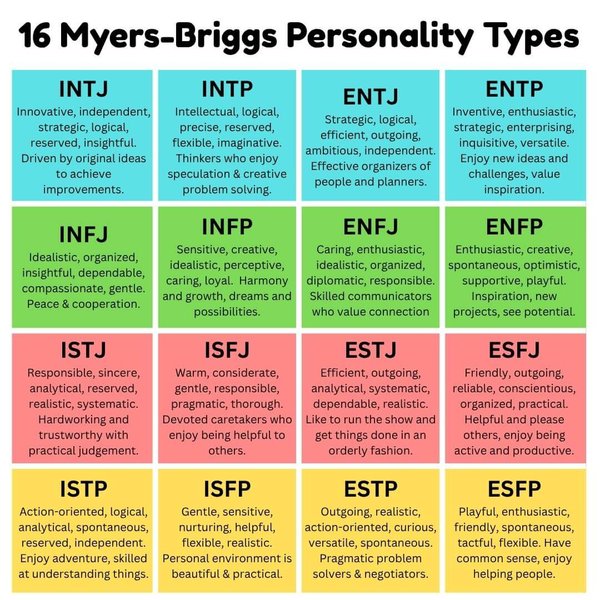
What it does: The Myers-Briggs Type Indicator sorts people into 16 four-letter types (INTJ, ENFP and so on) across four preferences: Introversion/Extraversion, Sensing/Intuition, Thinking/Feeling and Judging/Perceiving. The free 16Personalities test borrows those type codes but scores you on Big Five-style traits and adds a fifth letter — Assertive (-A) or Turbulent (-T) — for how you handle stress.
Who it's for: Anyone who wants a simple, memorable language for how they recharge, make decisions and organise their life — and for understanding why coworkers, partners and friends approach the same problem so differently.
Why I use it: It is a fast, free starting point for self-reflection. Knowing my type gives me a shorthand for my defaults — where I get energy, how I plan, what drains me — and it makes it easier to have patience with people who are wired differently. I treat the result as a mirror for a conversation with myself, not a label.
Tradeoffs: Neither test is a clinical tool. Forcing people into either/or boxes means anyone near the middle of a scale can get a different type on a retake, and the profiles are flattering enough to trigger the Barnum effect. 16Personalities is not the official MBTI, which is a paid assessment usually interpreted by a certified practitioner.
Alternatives: The Big Five (OCEAN) model, which has far stronger scientific support; the official MBTI assessment through a certified practitioner; the Enneagram; and CliftonStrengths for a work-focused view.

This is a personal recommendation, not a paid promotion.

Merach Q1S Magnetic Rowing Machine

Fitness · Merach·
Merach Q1S Magnetic Rowing Machine — Fitness · Merach

A full-body workout quiet enough that your neighbors will never know.

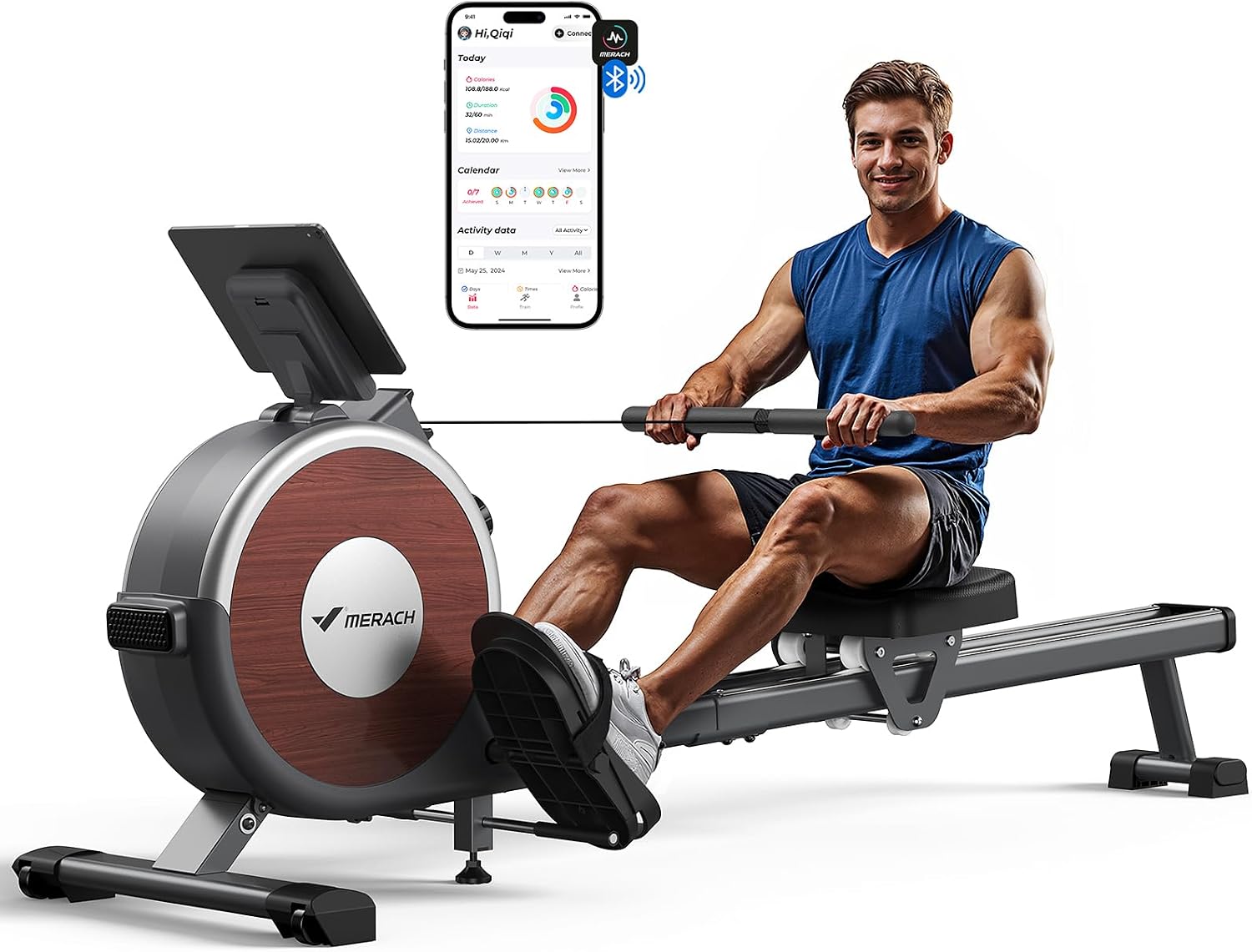
What it does: A quiet magnetic rowing machine for home with 16 levels of resistance, a dual slide rail for stability, and a 350 lb weight capacity. It fits users up to 6'5", has an LCD monitor and a tablet holder, and connects by Bluetooth to the Merach app (and Kinomap) to track distance, time, calories, speed, heart rate and cadence, with guided classes. It weighs 42 lb, rolls on built-in wheels, takes about 1.6 × 5.7 ft of floor space in use and assembles in roughly 30 minutes.
Who it's for: Anyone who wants to start a daily rowing habit at home without paying for a premium rower, especially people in apartments or shared homes who need a machine quiet enough not to bother anyone.
Why I use it: Daily rowing is the center of my exercise system: full-body, low-impact, and finished in twenty to thirty minutes. The hardest part of any habit is starting, and price is often what stops people. This Merach makes the habit affordable and quiet enough to do any time of day, so there is no excuse to skip. Exercise you actually do every day compounds into health, which is the asset everything else depends on.
Tradeoffs: Magnetic resistance is smooth and quiet but feels less like rowing on water than an air or water rower, and serious rowers will find the top levels limited. The monitor is basic; most of the useful data lives in the app. It carries a one-year warranty, much shorter than premium rowers, and you still need to learn proper technique (legs, body, arms) to protect your lower back.
Alternatives: The Concept2 RowErg (the durable gold standard, at a much higher price), a water rower such as the WaterRower for a more natural feel, or budget options from Sunny Health & Fitness.

As an Amazon Associate I earn from qualifying purchases, at no extra cost to you. I only recommend what I actually use.

The Millionaire Next Door

Book · Thomas J. Stanley & William D. Danko·
The Millionaire Next Door — Book · Thomas J. Stanley & William D. Danko

The real millionaire is probably driving a used Camry, not a Lambo.

What it does: Based on years of research surveying wealthy Americans, the book shows that most millionaires do not look rich. They tend to live below their means, drive used cars, live in ordinary neighbourhoods, budget carefully and invest consistently. It contrasts "prodigious accumulators of wealth" with high earners who spend everything they make.
Who it's for: Anyone who equates wealth with a big salary or a flashy lifestyle, and anyone early in their career deciding what kind of financial life to build.
Why I use it: It rewired my picture of what wealth looks like. Real wealth is the assets you keep, not the income you show off — which is exactly the "Own More Assets" half of my motto. It makes frugality feel like a strategy rather than a sacrifice, and it is a good antidote to lifestyle creep.
Tradeoffs: The data dates from the 1990s, so some numbers and examples feel old, and the sample is focused on a particular generation of mostly self-employed Americans. It is descriptive rather than a step-by-step plan.
Alternatives: The Next Millionaire Next Door by Thomas J. Stanley and Sarah Stanley Fallaw (updated data), Ramsey Solutions' National Study of Millionaires, and The Psychology of Money by Morgan Housel.

As an Amazon Associate I earn from qualifying purchases, at no extra cost to you. I only recommend what I actually use.

Minimalism

Philosophy · Intentional Living·
Minimalism — Philosophy · Intentional Living

Own less stuff, and suddenly the stuff stops owning you.

What it does: Removes excess—objects, commitments, subscriptions, mental clutter—so that attention, money, and energy flow toward what actually matters rather than what accumulated by default.
Who it's for: Anyone who feels stretched thin by too many things, too many obligations, or too many decisions, and wants to build a life with more clarity and less noise.
Why I use it: Minimalism is not about owning nothing. It is about owning intentionally. Less to maintain means more time. Fewer obligations means more capacity for the ones that matter. Fewer decisions means less fatigue for the ones that count. It is the foundation of any system that scales—because complexity is the enemy of consistency. Joshua Fields Millburn, Ryan Nicodemus, and The Minimalists have the clearest public articulation of the philosophy. James Clear's habit writing touches the same nerve.
Tradeoffs: It requires ongoing auditing—physical items, digital subscriptions, social commitments. There is social friction when you start declining things people expect you to accumulate. The word itself has been diluted into an aesthetic rather than a practice.
Alternatives: Essentialism by Greg McKeown applies the same logic specifically to time and professional priorities. Digital Minimalism by Cal Newport applies it to technology and attention. Either is a narrower and more immediately actionable starting point.

This is a personal recommendation, not a paid promotion.

Modern States CLEP College Credits

Education · Free College Credit·
Modern States CLEP College Credits — Education · Free College Credit

Free college courses that can turn into real credits, and real savings.

What it does: Modern States is a nonprofit ("Freshman Year for Free") that offers free online courses preparing you for more than 30 CLEP exams — College-Level Examination Program tests accepted for credit at thousands of US colleges. Complete a course and Modern States can provide a voucher that covers the CLEP exam fee.
Who it's for: Students, working adults returning to school, parents planning for their kids' college costs, and anyone who wants to earn real college credit while avoiding tuition and debt.
Why I use it: Tuition is one of the worst-value purchases most people make, and debt compounds against you. CLEP lets you test out of general-education courses you can learn on your own, and Modern States removes nearly all the cost. It is opportunity cost and margin of safety applied to education: the same credits for a fraction of the money and time.
Tradeoffs: Each college sets its own CLEP policy — which exams it accepts, the minimum scores and how many credits it grants — so check with your school before you study. It requires self-discipline, and some subjects are much harder to self-teach than others.
Alternatives: DSST exams, AP courses in high school, Sophia Learning and Study.com for transferable credit, and community college courses.

This is a personal recommendation, not a paid promotion.

The National Study of Millionaires

Book · Chris Hogan·
The National Study of Millionaires — Book · Chris Hogan

Spoiler: most millionaires didn't inherit it, they just stuck to the boring plan.

What it does: A short book (about 116 pages, Ramsey Press, 2020) laying out the findings of the research behind Everyday Millionaires. Ramsey Solutions surveyed more than 10,000 U.S. millionaires between late 2017 and early 2018 — which Ramsey calls the largest study of its kind — to find out how they built their wealth. Key findings: 79% received no inheritance at all, 8 in 10 invested in their company 401(k), only 31% averaged $100,000 a year over their careers, and the most common careers were engineer, accountant, teacher, management and attorney.
Who it's for: Anyone who believes becoming a millionaire requires an inheritance, a six-figure salary or a lucky stock pick — and anyone who wants evidence that ordinary jobs plus consistent investing can get there.
Why I use it: It turns "Own More Assets" into numbers. The common path was not genius or luck: it was avoiding debt, living below your means and investing consistently for decades, mostly through workplace retirement plans. That is a path open to a nurse, a teacher or anyone else with a steady income and patience.
Tradeoffs: It was run by a company that sells debt-free financial coaching, so the framing supports Ramsey's message, and it is a self-reported survey rather than peer-reviewed research. It describes people who succeeded, so survivorship bias applies.
Alternatives: The Millionaire Next Door and The Next Millionaire Next Door (the Stanley research), Chris Hogan's book Everyday Millionaires (built on this study), and the Federal Reserve's Survey of Consumer Finances for neutral data on household wealth.

As an Amazon Associate I earn from qualifying purchases, at no extra cost to you. I only recommend what I actually use.

Neuro Energy & Focus Gum

Energy & Focus · Neuro·
Neuro Energy & Focus Gum — Energy & Focus · Neuro

Coffee's focus in a chewable square, and no need to find a mug.

What it does: Sugar-free peppermint gum in which each Extra Strength piece delivers 100 mg of natural caffeine (from green coffee beans), 60 mg of L-theanine, and vitamins B6 and B12. Because it is absorbed through the mouth, Neuro says the effects typically kick in within minutes. A bag holds 90 pieces, sweetened with xylitol, sorbitol, sucralose, monk fruit and stevia.
Who it's for: People who want a quick, measured dose of caffeine without brewing coffee — shift workers, students, travelers, and anyone who needs a focus boost before a workout or during an afternoon slump.
Why I use it: It is caffeine in its most portable, precise form: one piece, a known dose, no cup, no sugar, no line at the café. It fits easily in a pocket or a one-bag travel kit, and the L-theanine smooths out the edge so I get alertness without the jitters. It is a simple tool for staying sharp through a long shift or a long day of travel.
Tradeoffs: At 100 mg per piece, it is easy to take in more caffeine than you realize if you also drink coffee or tea; the FDA cites about 400 mg a day as the general limit for healthy adults. Caffeine late in the day can hurt sleep. The sugar alcohols can upset some stomachs, and xylitol is highly toxic to dogs, so keep the bag away from pets. It costs more per dose than brewed coffee.
Alternatives: Neuro's regular-strength gum or mints (lower caffeine), Run Gum, a cup of coffee or green tea, and plain caffeine plus L-theanine capsules.

As an Amazon Associate I earn from qualifying purchases, at no extra cost to you. I only recommend what I actually use.

One Bag Travel

System · Travel & Mobility·
One Bag Travel — System · Travel & Mobility

Skip baggage claim forever, and your shoulders will send a thank-you card.

What it does: Reduces all travel—short trips, long trips, international movement—to a single carry-on backpack. No checked luggage, no baggage claim, no airline fees, no lost bags, no decision fatigue about what to bring. You arrive the same moment your flight lands. You leave whenever you are ready.
Who it's for: Travelers who want more freedom and fewer logistics. Especially useful for frequent movers, remote workers, minimalists applying their philosophy to transit, or anyone who has lost a checked bag and wants to never do that again.
Why I use it: One bag travel is not a packing hack. It is a philosophy made physical. The constraints force intentional selection—what you bring, what you wear, what you do not need. When you can fit your entire trip in one bag on your back, you move faster, spend less, think more clearly, and eliminate an entire category of travel stress. It compounds with minimalism. The gear choice matters: the right bag (see Osprey, listed in Products) and the right items make the difference between comfortable and miserable. One Bag Travels and Pack Hacker are the two communities that map this system most thoroughly.
Tradeoffs: Requires intentional gear selection upfront—synthetic fabrics, packable layers, multipurpose items. There are real tradeoffs around outfit variety, especially for longer trips or formal events. Takes a few trips to dial in the right loadout. Some climates and trip types (extended winter travel, extended beach trips) require creative compromises.
Alternatives: Packing cubes within a traditional checked bag are a middle ground that works for people not ready to commit to one-bag constraints. Rick Steves has advocated carry-on-only travel for decades and his packing guide is the most widely used practical resource. For truly minimalist travel, the "personal item only" approach (no overhead bag at all) is the next level down.

This is a personal recommendation, not a paid promotion.

Opportunity Cost

Mental Model · Economics·
Opportunity Cost — Mental Model · Economics

Every yes quietly sends a no to something else. Read the receipt.

What it does: Reminds you that the true cost of any choice is the best alternative you gave up to make it. Every dollar, hour and unit of attention spent on one thing is not available for the next best thing.
Who it's for: Anyone making decisions about money, time or career — which is everyone. Especially useful when a choice looks "free" or when you are comparing a sure thing against a better but less obvious option.
Why I use it: It is the filter I run every major decision through. A purchase is not just its price — it is what that money would have become if it had been invested and compounded. An extra shift is not just extra pay — it is time not spent building assets, training or resting. Munger said intelligent people make decisions based on opportunity costs, and once you see them they are everywhere.
Tradeoffs: Taken to an extreme it causes analysis paralysis and makes it hard to enjoy anything. You cannot perfectly measure the road not taken, so treat it as a compass, not a calculator.
Alternatives: Inversion (ask what would make a choice fail), second-order thinking (and then what?), and Bezos's regret-minimisation framework.

This is a personal recommendation, not a paid promotion.

Osprey Backpacks

Gear · Travel & Carry·
Osprey Backpacks — Gear · Travel & Carry

A backpack so good it comes with a lifetime warranty, and might outlive you.

What it does: Makes high-quality, purpose-built backpacks for travel, hiking, and everyday carry—with ergonomic suspension systems, thoughtful internal organization, lifetime guarantee, and a level of load-distribution engineering that cheaper packs do not approach.
Who it's for: Anyone who needs a backpack that performs under real use without wearing out. One bag travelers (Farpoint/Farview lines), serious hikers (Atmos/Aether/Talon lines), commuters and daypacks (Nebula/Daylite lines), and people who carry a lot and do it often.
Why I use it: Osprey packs carry the weight correctly. The suspension system, adjustable hip belt, and load distribution are in a different class from fashion-forward brands that sacrifice function for aesthetics. The Farpoint 40 is one of the best one-bag travel packs built—sized to fit major airline carry-on requirements, organized well for access, and built to last. Osprey's All Mighty Guarantee means if something goes wrong—with any Osprey pack, ever—they repair or replace it. That confidence changes how you carry.
Tradeoffs: Price point is above budget packs. The Osprey lineup is extensive—Farpoint, Farview, Atmos, Aether, Talon, Tempest, Stratos, Daylite, Nebula—which means the right model requires research. Not all lines are optimized for the same use case.
Alternatives: Tom Bihn (more urban, fewer sizes, made in the USA), Aer (sleek, office-and-travel-forward, minimal aesthetic), Arcteryx (premium performance at premium price), Tortuga (built specifically for one-bag travel, well-organized), Gregory (comparable performance for hiking).

As an Amazon Associate I earn from qualifying purchases, at no extra cost to you. I only recommend what I actually use.

Outdoor Ventures Packable Puffer Jacket

Outerwear · Outdoor Ventures·
Outdoor Ventures Packable Puffer Jacket — Outerwear · Outdoor Ventures

A warm jacket that squishes into the size of a burrito.

What it does: A lightweight hooded puffer jacket with a water-resistant nylon shell and synthetic polyester insulation, built as a three-season layer for fall, winter and spring. It folds into its own inner pocket to become a small zippered bag (a separate drawstring pouch is included too), and it has two zippered outside pockets, two zippered inner pockets, elastic cuffs and hem to block wind, and a zipper garage at the chin. Machine washable.
Who it's for: Travelers, commuters and anyone who wants one warm layer that packs down small, handles cold, damp weather, and does not cost a fortune.
Why I use it: Warmth that packs into its own pocket is exactly what one bag travel needs: it squeezes into a corner of my backpack and comes out when the plane, the night or the weather turns cold. The zippered inner pockets keep my passport, phone and wallet secure, and synthetic insulation keeps working when it gets damp, unlike down. It is a simple, inexpensive piece that earns its space in the bag.
Tradeoffs: Synthetic fill is not as warm for its weight as quality down, so it is best for cool to cold weather or as a layer under a shell rather than for deep winter on its own. The shell is water-resistant, not waterproof, and the thin nylon can snag. Amazon notes the sleeves run a bit long.
Alternatives: The Patagonia Nano Puff or Columbia Powder Lite for synthetic options, and the Uniqlo Ultra Light Down or Patagonia Down Sweater for lighter, warmer down.

As an Amazon Associate I earn from qualifying purchases, at no extra cost to you. I only recommend what I actually use.

Poor Charlie's Almanack

Book · Charles T. Munger·
Poor Charlie's Almanack — Book · Charles T. Munger

Borrow a billionaire's brain for the price of a nice lunch.

What it does: A collection of Charlie Munger's most important talks and writing, edited by Peter D. Kaufman. It lays out Munger's "latticework of mental models" — borrowing the big ideas from psychology, economics, biology, physics, and history — along with his famous talk on the psychology of human misjudgment.
Who it's for: Investors, business owners, and anyone who wants to make better decisions. You don't need a finance background — it's really a book about how to think.
Why I use it: This book is the foundation of this whole site. The idea that you should collect models from many disciplines and connect them is exactly what the mind map on my homepage represents. I come back to it every year and pick up something new.
Tradeoffs: It's long and dense, and some talks overlap. Best read slowly, a chapter at a time, rather than cover to cover in one go.
Alternatives: Seeking Wisdom by Peter Bevelin, The Great Mental Models by Shane Parrish, Damn Right! by Janet Lowe.

As an Amazon Associate I earn from qualifying purchases, at no extra cost to you. I only recommend what I actually use.

The Psychology of Money

Book · Morgan Housel·
The Psychology of Money — Book · Morgan Housel

Proof that behaving well with money beats being a genius with spreadsheets.

What it does: Explains why people make poor financial decisions—not from ignorance, but from behavior, history, and psychology—and offers a clear set of mental models for building wealth sustainably over time without constantly fighting your own instincts.
Who it's for: Anyone who understands, at a conceptual level, what they should be doing with money but struggles to actually do it consistently when markets move, emotions run high, or short-term temptations appear.
Why I use it: This is the most useful personal finance book I have read. Not because it reveals secrets, but because it explains the human patterns that cause smart people to blow it—and does so with clarity, brevity, and zero condescension. The chapters on compounding, on the concept of "enough," and on saving without a goal are the ones that shifted something. Housel writes well. The ideas stick.
Tradeoffs: It is behavioral, not prescriptive. It will not tell you what to invest in or how to structure a portfolio. That is by design—but if you want a tactical investment guide, this is not it.
Alternatives: The Little Book of Common Sense Investing by John Bogle covers the mechanical side—what to actually do. Thinking, Fast and Slow by Kahneman covers the cognitive-bias side with more depth and rigor. The Intelligent Investor by Benjamin Graham is the foundational text for those ready to go deeper.

As an Amazon Associate I earn from qualifying purchases, at no extra cost to you. I only recommend what I actually use.

Refurbished Apple Products (Amazon Renewed)

Tech · Amazon Renewed·
Refurbished Apple Products (Amazon Renewed) — Tech · Amazon Renewed

Same Apple magic, smaller price tag, and nobody can tell it's renewed.

What it does: Amazon Renewed sells pre-owned and refurbished iPhones, iPads, MacBooks, Apple Watches and AirPods that have been inspected, tested and cleaned by qualified suppliers, usually for far less than new. Each item is covered by the Amazon Renewed Guarantee, which lets you return or replace it if it does not work as expected (90 days for standard Renewed, longer for Renewed Premium items).
Who it's for: Anyone who wants Apple quality without paying the new-release premium, students and families outfitting several people, and anyone who would rather keep good devices in use than send them to a landfill.
Why I use it: New tech loses value the moment you open the box, so I let someone else pay for that first drop. A one- or two-generation-old iPhone or iPad does everything I need for reading, writing, research and travel, and the money I save stays invested. Buying renewed is also a simple way to waste less.
Tradeoffs: Condition varies by seller: devices may show light cosmetic wear, batteries may not be at full health, and accessories are often generic rather than Apple-branded. Check the seller rating, the battery details and the return window before buying, and keep in mind that older models stop getting software updates sooner. Renewed Premium costs a bit more but comes with stricter standards and longer coverage.
Alternatives: Apple's own Certified Refurbished store (new battery and outer shell, full one-year warranty), Back Market, and the refurbished section at Best Buy.

As an Amazon Associate I earn from qualifying purchases, at no extra cost to you. I only recommend what I actually use.

Sapiens

Book · Yuval Noah Harari·
Sapiens — Book · Yuval Noah Harari

You are a gossiping ape who believes in money. This book explains why that works.

What it does: A sweeping history of humankind — from the cognitive revolution through the agricultural and scientific revolutions — explaining how Homo sapiens came to dominate the planet through our ability to cooperate around shared stories like money, nations, and religion.
Who it's for: Curious readers who want the big picture. It's an easy entry point into history, anthropology, and economics all at once.
Why I use it: It reframed how I see money, institutions, and even my own ambitions — so much of the world runs on stories we collectively agree to believe. It's one of the best "zoom out" books I've read, and it connects directly to the history corner of my realm.
Tradeoffs: It simplifies huge topics, and some historians disagree with parts of its arguments. Read it as a provocative framework, not the final word.
Alternatives: Guns, Germs, and Steel by Jared Diamond, The Dawn of Everything by David Graeber and David Wengrow, Homo Deus by Harari.

As an Amazon Associate I earn from qualifying purchases, at no extra cost to you. I only recommend what I actually use.

SMH — VanEck Semiconductor ETF

Investment · Sector ETF·
SMH — VanEck Semiconductor ETF — Investment · Sector ETF

Own a slice of the companies that make the chips that make everything else.

What it does: An exchange-traded fund that holds about 25 of the largest U.S.-listed semiconductor companies — the chip designers, manufacturers and equipment makers behind computers, phones, data centers and AI (names like NVIDIA, Taiwan Semiconductor and Broadcom). One ticker buys you a slice of the whole industry, and it trades like a stock.
Who it's for: Long-term investors who believe computing and AI demand will keep growing and want concentrated exposure to the companies that make it possible — without trying to pick the single winning chip stock.
Why I use it: Chips are the picks and shovels of the modern economy: every phone, car, server and AI model runs on them. Instead of betting on one company, SMH lets me own the leaders of the whole industry in one simple position. It is a focused growth asset that sits on top of a broad, diversified core.
Tradeoffs: It is concentrated in one sector and a handful of companies, so it can swing far more than the overall market — big drawdowns are part of the ride. Its expense ratio is higher than a broad index fund, and semiconductors are cyclical. Not financial advice: do your own research and size it so a bad year will not hurt you.
Alternatives: SOXX (iShares Semiconductor ETF), a broad technology fund such as VGT or QQQ, or simply a total-market fund like VT if you would rather not concentrate.

This is a personal recommendation, not a paid promotion.

Spotminders Wallet Tracker Card PRO

Travel Tech · Spotminders·
Spotminders Wallet Tracker Card PRO — Travel Tech · Spotminders

For anyone who has ever done the frantic pat-down for their wallet.

What it does: A tracker shaped like a credit card, just 1.8 mm thick, that slides into a wallet, passport holder or luggage sleeve and works with Apple's Find My app on iPhone. It is Apple MFi certified, has a 100 dB speaker you can ring from Find My, sends left-behind alerts if you walk away from it, and is rated IP68 water-resistant. Its battery lasts up to about 8 months per charge and recharges on any standard wireless charger. No subscription.
Who it's for: iPhone users who travel, commute or simply misplace their wallet, and anyone who wants a tracker that no one can see.
Why I use it: My wallet and passport are the two things I cannot lose on the road, and this sits in the card slot looking like just another card. If I leave my wallet at a restaurant, in a rideshare or at an airport gate, my phone tells me, and Find My shows where it is. It is a one-time purchase that protects the things that would be most expensive and stressful to replace.
Tradeoffs: It works only with iPhone and Apple Find My, not Android. A wireless charger is not included, so you need your own. Like any Find My tracker it locates items through nearby Apple devices, so it is less precise in remote areas, and Bluetooth range is up to about 300 feet in open space. It will not stop a theft, only help you find what is lost.
Alternatives: Apple AirTag (better for keys and bags, but too thick for most wallets), Chipolo CARD Point, and Tile Slim for Android users.

As an Amazon Associate I earn from qualifying purchases, at no extra cost to you. I only recommend what I actually use.

Stoicism

Philosophy · Mental Models·
Stoicism — Philosophy · Mental Models

Two-thousand-year-old software for not losing your mind in traffic.

What it does: Provides a practical operating system for controlling your response to what is outside your control—fear, frustration, market moves, other people's behavior—while directing your full effort toward the things within it. Core texts: Marcus Aurelius (Meditations), Seneca (Letters), Epictetus (Discourses).
Who it's for: Anyone who wants to perform consistently under pressure, make better decisions under uncertainty, and build emotional resilience without losing ambition or drive.
Why I use it: Stoicism sits underneath most of what I do. It shapes how I respond to a bad month in the portfolio, a hard shift as a nurse, and the slow pace of long-term goals. The philosophy is not about suppressing emotion—it is about not letting uncontrollable events be the thing that decides your next move. Marcus Aurelius was running an empire and writing Meditations to himself. That is practical philosophy.
Tradeoffs: Misread as emotional detachment, it can discourage genuine vulnerability and connection. The practice requires active reflection—journaling, re-reading, applying it to specific situations—not passive consumption of quotes.
Alternatives: Buddhism and Taoism cover overlapping areas from different cultural starting points. Ryan Holiday's modern translations (The Obstacle Is the Way, Ego Is the Enemy, The Daily Stoic) are the clearest entry points for contemporary readers.

This is a personal recommendation, not a paid promotion.

Subconscious Programming

System · Mindset·
Subconscious Programming — System · Mindset

Your brain is already running a script. Might as well write a better one.

What it does: A daily practice for shaping the automatic beliefs and habits that run below conscious thought. Common methods include written or spoken affirmations, visualising goals as already achieved, repeating a clear written goal morning and night (Napoleon Hill's auto-suggestion), and deliberately controlling what you read, watch and listen to — especially just after waking and before sleep.
Who it's for: Anyone who knows what they want but keeps getting pulled back by old patterns, negative self-talk or a scarcity mindset, and people who want to pair practical action with a deliberate mental routine.
Why I use it: Most of what I do each day runs on autopilot, so I want to choose what goes into the autopilot. Writing and reading my goals, visualising the outcome and being selective about my inputs keeps my attention on owning more assets and staying healthy, instead of on whatever the news or social media wants me to think about.
Tradeoffs: The research is mixed: affirmations work best when they are believable and paired with action, and pure "manifesting" without effort is wishful thinking. Some popular claims about reprogramming the subconscious are exaggerated. Treat it as attention training and habit design, not magic.
Alternatives: Cognitive behavioural therapy (CBT) techniques for challenging negative thoughts, journaling, meditation, implementation intentions ("when X happens, I will do Y"), and James Clear's Atomic Habits for identity-based habit change.

This is a personal recommendation, not a paid promotion.

Think and Grow Rich

Book · Napoleon Hill·
Think and Grow Rich — Book · Napoleon Hill

Thinking alone won't make you rich, but nobody ever got rich without it.

What it does: First published in 1937, Napoleon Hill's classic lays out 13 principles for achievement, drawn from his study of successful people of his era. They include a burning desire, faith, auto-suggestion, specialised knowledge, organised planning, persistence and the "Master Mind" group — and the idea that thoughts backed by a definite purpose turn into reality.
Who it's for: Anyone who needs a jolt of motivation and a framework for setting a clear goal and sticking with it, especially people starting a business or a long financial journey.
Why I use it: Its central lesson — decide exactly what you want, write it down, read it daily and pair it with a plan and persistence — is the foundation of my subconscious programming routine. The Master Mind concept is also a reminder to surround myself with people who are building something.
Tradeoffs: It is from 1937, so the language and some examples are dated, and Hill's claims about interviewing famous industrialists are hard to verify. Parts drift into mysticism. Take the principles, leave the hype.
Alternatives: The Magic of Thinking Big by David Schwartz, Atomic Habits by James Clear (the modern habit-science version), and The 7 Habits of Highly Effective People by Stephen Covey.

As an Amazon Associate I earn from qualifying purchases, at no extra cost to you. I only recommend what I actually use.

Uncharted Supply Co. SEVENTY2 Survival System

Emergency preparedness · Uncharted Supply Co.·
Uncharted Supply Co. SEVENTY2 Survival System — Emergency preparedness · Uncharted Supply Co.

Cheap insurance for the day you really, really hope never comes.

What it does: The original ready-to-grab 72-hour emergency kit for one person, designed with survival experts and first responders (as seen on Shark Tank). More than 35 essentials come packed in a waterproof backpack with internal compartments: food rations, water pouches and a water filter, a first aid kit, an air filtration mask, a survival tent and emergency blanket, a hand-crank radio and flashlight, a multi-tool, knife, shovel, paracord, gloves, goggles and more. Every pocket is color-coded and labeled, so you can find what you need fast with no experience.
Who it's for: Anyone who wants to be ready for blackouts, earthquakes, hurricanes, wildfires, evacuations or a breakdown on the road, without spending weekends assembling a kit piece by piece. Get one per person in the household.
Why I use it: Preparation is cheap insurance. As a nurse I have seen how quickly ordinary days turn into emergencies, and the first 72 hours are when help is hardest to reach. Owning one complete, organized kit that sits by the door or in the car removes a whole category of worry. It is a one-time purchase that protects the two assets I value most, health and time, when it matters most.
Tradeoffs: It is expensive compared with building your own kit, and some included items are basic versions you may want to upgrade. It covers one person, so a couple or family needs more than one (or the 2-person SEVENTY2 Pro). Food, water pouches, batteries and medical supplies expire, so check and replace them about once a year. A kit is a starting point, not a plan; add your own medications, documents and cash.
Alternatives: The 2-person SEVENTY2 Pro, the lighter SEVENTY2 Core, other ready-made kits from brands like Ready America or Sustain Supply, or building your own go-bag from a checklist such as Ready.gov's.

As an Amazon Associate I earn from qualifying purchases, at no extra cost to you. I only recommend what I actually use.

Vitamin D3 & K2

Supplement · Bones, Heart & Immunity·
Vitamin D3 & K2 — Supplement · Bones, Heart & Immunity

Bottled sunshine for those of us who live indoors under hospital lights.

What it does: Vitamin D3 helps the body absorb calcium and supports bone health, immune function, mood and muscle strength. Vitamin K2 (especially the MK-7 form) activates proteins that help direct that calcium into bones and teeth rather than leaving it in arteries and soft tissue. Taken together, they work as a team.
Who it's for: People who get little direct sunlight — indoor workers, night-shift workers, people in northern latitudes or with darker skin — and anyone whose blood work shows low vitamin D.
Why I use it: Night shifts and indoor work mean I see far less sun than my body expects. Vitamin D deficiency is extremely common, cheap to test for and cheap to fix. Pairing D3 with K2 makes sense to me because it supports where the extra calcium actually ends up. I take NOW Vitamin D-3 & K-2 capsules: an affordable, reliable everyday dose from the same company I get most of my supplements from.
Tradeoffs: More is not better: vitamin D is fat-soluble and can build up to toxic levels at high doses, so get a 25-hydroxy vitamin D blood test and dose to your results. Vitamin K affects blood clotting and can interfere with warfarin and similar medications — check with your doctor if you take them.
Alternatives: Sensible daily sun exposure, separate D3 and K2 supplements so you can dose each independently, and foods such as fatty fish, egg yolks, natto and aged cheeses.

As an Amazon Associate I earn from qualifying purchases, at no extra cost to you. I only recommend what I actually use.

VT — Vanguard Total World Stock ETF

Investment · Global Index ETF·
VT — Vanguard Total World Stock ETF — Investment · Global Index ETF

Buy the whole world in one click, and let the planet do the work.

What it does: A single exchange-traded fund that owns thousands of stocks across the U.S., developed international and emerging markets — large, mid and small companies — weighted by size. One ticker gives you a piece of nearly the entire global stock market at a very low annual cost.
Who it's for: Anyone who wants a simple, set-and-forget core investment: beginners, busy people and long-term investors who would rather own the whole world than guess which country or company will win.
Why I use it: It is the ultimate simple asset. One fund, one decision, global diversification — no stock picking, no rebalancing between a dozen funds. I buy it regularly and let compounding do the work. It is the foundation that makes owning more assets easy and boring, in the best way.
Tradeoffs: You get the market's return, never more — there is no chance of beating it. It still falls with global markets in a downturn, and you cannot fine-tune your mix of U.S. versus international stocks. Not financial advice: do your own research and invest for the long term.
Alternatives: VTI plus VXUS (the same idea split into two funds), an S&P 500 fund such as VOO, or a target-date retirement fund that adds bonds automatically.

This is a personal recommendation, not a paid promotion.

YouTube Premium

Subscription · Video & Music·
YouTube Premium — Subscription · Video & Music

No ads, background play and offline videos, so your learning never gets interrupted.

What it does: A paid YouTube membership (individual, family or student plans) that removes ads across YouTube, lets videos keep playing in the background or with the screen off, allows downloads for offline viewing, and includes YouTube Music Premium. New members can usually start with a free trial.
Who it's for: Anyone who uses YouTube as a classroom, podcast player or music library — people who learn from long videos, listen on the go, or travel often and want content available offline.
Why I use it: YouTube is one of my biggest sources of ideas, and ads break concentration. Premium buys back that time and focus: no interruptions, lectures and podcasts playing in the background while I work or train, and downloads ready for flights and places without signal. Music is included, so it replaces a separate streaming subscription — one service instead of two.
Tradeoffs: It is a recurring cost for something you can watch for free with ads. Downloads expire if you stay offline too long, and the free trial rolls into a paid plan unless you cancel. Removing friction also makes it easier to watch more than you intended — use it to learn, not to scroll.
Alternatives: Free YouTube with ads, Spotify Premium for music and podcasts, Nebula for ad-free educational creators, or podcast apps for audio-only learning.

This is a personal recommendation, not a paid promotion.